%53%61%6d%73%75%6e%67%20%45%6c%65%63%74%72%6f%6e%69%63%73
-
 KAIST Names Former Samsung Electronics Chairman and CEO Oh Hyun Kwon as Chair of Its Board of Trustees
KAIST announced that its Board of Trustees elected Oh Hyun Kwon, former Chairman and CEO of Samsung Electronics and Chairman of the Orange Planet startup foundation, as its new chair at the board’s 298th extraordinary meeting in Seoul on September 21, 2026. Prior to the election, Kichul Cha, a KAIST trustee and CEO of InBody, had served as acting chair since the term of former Chair Myung Ja Kim ended in late June.
Kwon earned a bachelor’s degree in electrical engineering from Seoul National University in 1975, a master’s degree in the same field from KAIST in 1977, and a doctorate in electrical engineering from Stanford University in 1985. He joined Samsung in 1985 as a researcher at its Semiconductor Research Institute in the United States. In 1992, he led the development of the world’s first 64Mb DRAM, helping lay the foundation for Samsung’s strategy of building a decisive technological lead over its competitors.
An engineer who rose through the ranks to become a leading business executive, Kwon served as President and Head of Device Solutions Division, Samsung Electronics from 2008 to 2011 and as Vice Chairman and CEO from 2012 to 2017. From 2017 to 2020, he held the positions of Chairman at both Samsung Electronics and the Samsung Advanced Institute of Technology. He is credited with helping propel South Korea's semiconductor industry to global leadership.
After stepping back from corporate management, Kwon served as President of the Korea Invention Promotion Association from 2021 to 2022 and as the seventh Chair of Seoul National University’s Board of Trustees from 2023 to 2025. In September 2025, he became the first business executive to chair the Committee on Mid- to Long-Term Strategy Committee, now under the Ministry of Planning and Budget (then called the Ministry of Economy and Finance). He has also chaired Orange Planet since 2021, supporting young entrepreneurs.
His honors include the Gold Tower Order of Industrial Service Merit in 2009, the Korea Best Scientist and Engineer Award in 2014, the Inchon Award in Industrial Technology category in 2012, and the Dasan Technology Award in 1997. He is also the author of Super Gap (2018) and Again, Super Gap (2020).
Kwon has maintained close ties with his alma mater, KAIST. In 2018, for instance, he became the first KAIST alumnus to receive an honorary doctorate from the university, earning the distinction in business administration. He also helped establish the Kwon Oh Hyun Assistant Professor program, which provides annual support for promising faculty members pursuing creative and ambitious research in physics, mathematics, chemistry, biological sciences, and engineering.
Kwon joined the KAIST Board of Trustees at its 297th extraordinary meeting in August before being elected chair at the September meeting.
His term as chair runs from September 21, 2026, the date of the board resolution, through August 19, 2029, when his term as a trustee expires. Drawing on his experience in building Samsung’s technological leadership, Kwon is expected to help KAIST advance innovation in research and education and further strengthen its global competitiveness.(END)
2026.09.22 View 3499
-
 KAIST Tames a Semiconductor Greenhouse Gas 6,000 Times More Potent Than CO₂ with the ‘Power of Disorder’
Among the gases used in semiconductor manufacturing, tetrafluoromethane (CF₄) is a greenhouse gas over 6,000 times more potent than carbon dioxide. A KAIST research team has developed a technology that removes this gas with high efficiency while extending the usable lifetime of the catalyst that helps break it down by harnessing the ‘power of disorder,’ in which mixing multiple metal atoms together actually stabilizes the catalyst’s structure.
KAIST (President Choongsik Bae) announced on September 3 that a research team led by Professor Minkee Choi from the Department of Chemical and Biomolecular Engineering, working in collaboration with researchers from Samsung Electronics, has developed a new catalyst capable of removing CF₄, a greenhouse gas used in processes such as the fabrication of fine semiconductor circuits with high efficiency over long periods of use.
CF₄ is used in processes such as dry etching, in which unwanted portions of a semiconductor wafer are selectively removed to create fine circuit patterns. The problem lies in the CF₄ left over after use. Because its carbon and fluorine atoms are bound together extremely tightly, the gas does not easily decompose, and once released into the atmosphere, it can persist for roughly 50,000 years. Its impact on global warming is also more than 6,000 times greater than that of carbon dioxide.
To prevent CF₄ from being released as is, semiconductor manufacturing sites currently decompose it at high temperatures using steam and a catalyst. A catalyst speeds up chemical reactions, much like those used to reduce pollutants in car exhaust.
However, conventional catalysts have suffered from declining performance the longer they are used. This is because hydrogen fluoride (HF), generated as CF₄ decomposes, combines with moisture to create a highly corrosive environment, causing the catalyst’s fine particles to aggregate or its structure to change. When small catalyst particles clump together into larger masses, the surface area in contact with the CF₄ to be treated shrinks, and performance declines accordingly.
The research team solved this problem, paradoxically, by harnessing the ‘power of disorder.’
Mixing multiple atom types creates a complex, disordered structure that resists phase changes and remains stable. This process is called entropy stabilization. In simple terms, it is a principle in which evenly mixing multiple kinds of atoms makes it difficult for a catalyst to clump together or change into another structure.
Using this principle, the research team evenly incorporated multiple metals — aluminum (Al), zinc (Zn), gallium (Ga), nickel (Ni), and cobalt (Co) — into a single aluminate crystal structure. Aluminate is a material in which several metals are bonded around a basic framework of aluminum and oxygen. Through this approach, the team developed an ‘entropy-stabilized aluminate (ESA) catalyst’ that resists aggregation and structural deformation even under the harsh conditions of high temperature, moisture, and fluorine occurring together.
The performance gap was clear. The new catalyst’s intrinsic activity for decomposing CF₄ was approximately 2.3 times higher than that of a conventional alumina catalyst. Notably, in an accelerated test conducted at about 800°C for 150 hours, the CF₄ conversion of the conventional alumina catalyst dropped from 93% to 48%. The new catalyst, by contrast, maintained a high level, declining only from 98% to 92%. This demonstrated that the catalyst can remove CF₄ with high efficiency while sustaining its performance over extended periods.
The researchers also revealed the decomposition mechanism of CF₄. To do this, they used oxygen isotopes, which allow the movement of oxygen atoms to be tracked. In simple terms, this involves attaching a ‘tag’ to oxygen atoms so that where the oxygen comes from and where it moves to during the reaction can be traced.
The results confirmed that the catalyst first uses the oxygen within its own structure to decompose CF₄, and that the reaction continues as surrounding steam replenishes the oxygen that has been depleted. In effect, the catalyst functions as a kind of ‘oxygen refill system,’ in which steam restores the oxygen the catalyst draws upon. Through this, the research team provided the world’s first experimental confirmation of a CF₄ decomposition process that had previously only been proposed in theory.
The significance of this research goes beyond developing a single catalyst that decomposes CF₄ effectively; it presents a new catalyst design strategy capable of achieving both high decomposition performance and a long service life at the same time. The approach is expected to be applicable to the future development of catalysts for treating a range of semiconductor process gases by varying the types and combinations of metals used.
Professor Choi said, “By applying the principle that disorder in nature can actually make a structure more stable to catalyst design, we achieved both high CF₄ decomposition performance and long-term stability at the same time.” He added, “This work is meaningful in that it presents a new materials design strategy that can be extended to catalysts for treating a range of semiconductor process gases by varying the types and combinations of metals used.”
The study was led by Dr. Seunghyuck Chi, a postdoctoral researcher in KAIST’s Department of Chemical and Biomolecular Engineering, who served as first author, with researchers from Samsung Electronics participating as co-authors. The findings were published in June in the international chemistry journal Angewandte Chemie International Edition.
Paper title: Entropy-Stabilized Aluminate Catalysts that Break the Activity–Stability Tradeoff in CF₄ Hydrolysis,
DOI: 10.1002/anie.6752036
This research was supported by the National Research Foundation of Korea (RS‐2024‐00333937 and RS‐2024‐00405261).
2026.09.03 View 3576
-
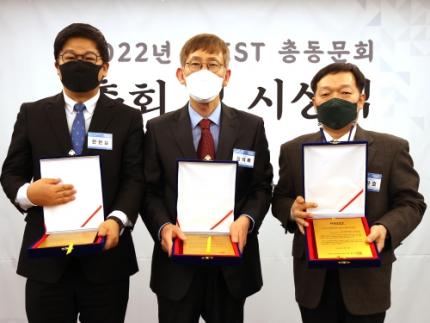 KAA Recognizes 4 Distinguished Alumni of the Year
The KAIST Alumni Association (KAA) recognized four distinguished alumni of the year during a ceremony on February 25 in Seoul. The four Distinguished Alumni Awardees are Distinguished Professor Sukbok Chang from the KAIST Department of Chemistry, Hyunshil Ahn, head of the AI Economy Institute and an editorial writer at The Korea Economic Daily, CEO Hwan-ho Sung of PSTech, and President Hark Kyu Park of Samsung Electronics.
Distinguished Professor Sukbok Chang who received his MS from the Department of Chemistry in 1985 has been a pioneer in the novel field of ‘carbon-hydrogen bond activation reactions’. He has significantly contributed to raising Korea’s international reputation in natural sciences and received the Kyungam Academic Award in 2013, the 14th Korea Science Award in 2015, the 1st Science and Technology Prize of Korea Toray in 2018, and the Best Scientist/Engineer Award Korea in 2019. Furthermore, he was named as a Highly Cited Researcher who ranked in the top 1% of citations by field and publication year in the Web of Science citation index for seven consecutive years from 2015 to 2021, demonstrating his leadership as a global scholar.
Hyunshil Ahn, a graduate of the School of Business and Technology Management with an MS in 1985 and a PhD in 1987, was appointed as the first head of the AI Economy Institute when The Korea Economic Daily was the first Korean media outlet to establish an AI economy lab. He has contributed to creating new roles for the press and media in the 4th industrial revolution, and added to the popularization of AI technology through regulation reform and consulting on industrial policies.
PSTech CEO Hwan-ho Sung is a graduate of the School of Electrical Engineering where he received an MS in 1988 and a PhD in EMBA in 2008. He has run the electronics company PSTech for over 20 years and successfully localized the production of power equipment, which previously depended on foreign technology. His development of the world’s first power equipment that can be applied to new industries including semiconductors and displays was recognized through this award.
Samsung Electronics President Hark Kyu Park graduated from the School of Business and Technology Management with an MS in 1986. He not only enhanced Korea’s national competitiveness by expanding the semiconductor industry, but also established contract-based semiconductor departments at Korean universities including KAIST, Sungkyunkwan University, Yonsei University, and Postech, and semiconductor track courses at KAIST, Sogang University, Seoul National University, and Postech to nurture professional talents. He also led the national semiconductor coexistence system by leading private sector-government-academia collaborations to strengthen competence in semiconductors, and continues to make unconditional investments in strong small businesses.
KAA President Chilhee Chung said, “Thanks to our alumni contributing at the highest levels of our society, the name of our alma mater shines brighter. As role models for our younger alumni, I hope greater honours will follow our awardees in the future.”
2022.03.03 View 15866
-
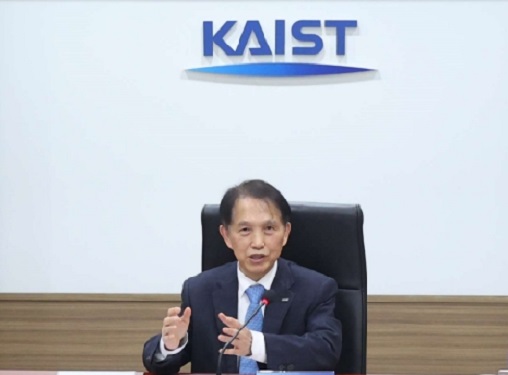 President Lee Presents Plans to Nurture Next-Generation Talents
President Lee stressed that nurturing medical scientists, semiconductor R&D personnel, startup entrepreneurs, and global innovators are key missions he will continue to pursue during a news conference
KAIST President Kwang Hyung Lee said that nurturing medical scientists, semiconductor R&D personnel, startup entrepreneurs, and global innovators are key missions he will continue to pursue during an online news conference marking the 1st anniversary of him becoming the president on February 15.
He said that nurturing physician-scientists is the most critical mission for KAIST to help the nation create a new growth engine. He said KAIST will help the nation drive the bio-industry and provide medical science resources for the nation’s health sector. To this end, he said that KAIST will open its Medical Science and Technology School by 2026.
“We plan to expand the current Graduate School of Medical Science and Engineering into a new Medical Science and Technology School that will focus entirely on a condensed MD-PhD course converging the fields of AI, bio, and physics,” he said.
The school aims to foster medical scientists whose research results will eventually be commercialized. He said that the university is now discussing revisions to related laws and regulations with the government and other universities.
To supply human resources to the semiconductor industry, President Lee said the university will add a campus in Pyongtaek City that will serve as an advanced convergence research hub in the field of next generation semiconductors in collaboration with Samsung Electronics and the city of Pyongtaek. The three-stage opening plan projected the final opening of the campus by 2036. During the first stage, which will be completed by 2026, it will construct the campus infrastructure in Pyongtaek city where Samsung Semiconductors runs two massive semiconductor complexes. By 2031, it plans to launch the open research platform including a future cities research center and future vehicles research center. The campus will open the global industrial collaboration cluster hub by 2036.
In the global arena, President Lee said he is working to open the New York campus with stakeholders in the United States. He announced the plan last December that was endorsed by New York-based entrepreneur Hee-Nam Bae, the chairman of Big Continent Inc. President Lee and Chairman Lee signed an MOU for the funding to open the campus in New York.
“We are discussing how to facilitate the plan and best accommodate the interests and potential of our students. Many ideas and plans are on the table and we think it will take longer than expected to finalize the plan,” explained President Lee.
However, he added that the basic idea is to offer art tech and health technology programs as well as an AI-based finance MBA at the New York campus, in addition to it serving as the startup accelerator of KAIST.
President Lee stressed the importance of technology commercialization when successfully launching KAIST Holdings last month to help spinoffs of KAIST labs accelerate their end results. He said that KAIST Holdings will build a virtuous supporting system to commercialize the technology startups coming from KAIST.
“We plan to list at least 10 KAIST startups on the KOSDAQ and two on the NASDAQ by 2031. KAIST Holdings also aims to nurture companies valued at a total of one billion KRW and earn 100 billion KRW in technology fees by 2031.
2022.02.17 View 23970
-
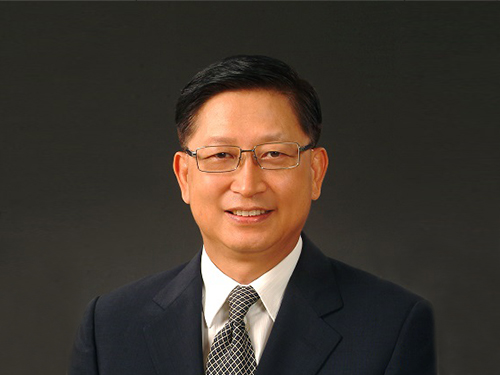 New KAA President Chilhee Chung Calls Alumni Engagement a Top Priority
The KAIST Alumni Association (KAA) inaugurated Advisor Chilhee Chung of Samsung Electronics as its new president. President Chung was preceded by Ki-Chul Cha, the CEO of Inbody Co. Ltd. His term as the 25th president starts from February 2020 and ends in January 2022.
President Chung received his master’s degree from KAIST's Department of Physics in 1979 and joined Samsung Electronics the same year. He also holds a doctorate in physics from Michigan State University in the United States.
President Chung devoted himself to helping Samsung Electronics and Korea's system semiconductor and memory device technologies achieve global dominance for more than 40 years. He led future technology development at Samsung Electronics in the fields of quantum dot and neural processing from various leadership positions, including the head of the Semiconductor R&D Center, and the president of Samsung Advanced Institute of Technology (SAIT).
President Chung is currently an advisor to SAIT, a member of the Presidential Advisory Council on Science and Technology (PACST), and the chairman of the 2045 National Future Strategy Committee and the Nano Technology Research Association (NTRA).
President Chung said, “KAIST, throughout its history of half a century, has been working tirelessly to become the world’s best, beyond being the best in Korea. We, the alumni of KAIST, have the commensurate duty as well as the privilege of being proud members of KAIST, as the university's global stature grows.”
“Recently, 46 alumni made 535 million won in donations, and established a scholarship to encourage entrepreneurial spirit in members of the KAIST community. This fund was dedicated to supporting 30 alumni entrepreneurs and students participating in the International Consumer Electronics Show (CES) 2020 that was held in Las Vegas last month. Moreover, another alumnus of ours Byeong-Gyu Chang, the CSO of the KRAFTON Inc., donated 10 billion won to KAIST in hopes of opening up more opportunities that may lead KAIST students to success. Mr. Chang’s donation is by far the largest that has been made by KAIST alumni. I feel grateful to see more alumni getting involved in shaping the future of KAIST these days, and my top priority as the new president of the KAA will be to stimulate the alumni association and engagement in the spirit of ‘Team KAIST’,” he added.
More than 900 alumni, including President Sung-Chul Shin who is also an alumnus of KAIST, gathered in Seoul on January 18 to celebrate the New Year and the newly-elected leadership of the KAA.
(END)
2020.02.03 View 15411
-
 Algorithm Identifies Optimal Pairs for Composing Metal-Organic Frameworks
The integration of metal-organic frameworks (MOFs) and other metal nanoparticles has increasingly led to the creation of new multifunctional materials. Many researchers have integrated MOFs with other classes of materials to produce new structures with synergetic properties.
Despite there being over 70,000 collections of synthesized MOFs that can be used as building blocks, the precise nature of the interaction and the bonding at the interface between the two materials still remains unknown. The question is how to sort out the right matching pairs out of 70,000 MOFs.
An algorithmic study published in Nature Communications by a KAIST research team presents a clue for finding the perfect pairs. The team, led by Professor Ji-Han Kim from the Department of Chemical and Biomolecular Engineering, developed a joint computational and experimental approach to rationally design MOF@MOFs, a composite of MOFs where an MOF is grown on a different MOF.
Professor Kim’s team, in collaboration with UNIST, noted that the metal node of one MOF can coordinately bond with the linker of a different MOF and the precisely matched interface configurations at atomic and molecular levels can enhance the likelihood of synthesizing MOF@MOFs.
They screened thousands of MOFs and identified optimal MOF pairs that can seamlessly connect to one another by taking advantage of the fact that the metal node of one MOF can form coordination bonds with the linkers of the second MOF. Six pairs predicted from the computational algorithm successfully grew into single crystals.
This computational workflow can readily extend into other classes of materials and can lead to the rapid exploration of the composite MOFs arena for accelerated materials development. Even more, the workflow can enhance the likelihood of synthesizing MOF@MOFs in the form of large single crystals, and thereby demonstrated the utility of rationally designing the MOF@MOFs.
This study is the first algorithm for predicting the synthesis of composite MOFs, to the best of their knowledge. Professor Kim said, “The number of predicted pairs can increase even more with the more general 2D lattice matching, and it is worth investigating in the future.”
This study was supported by Samsung Research Funding & Incubation Center of Samsung Electronics.
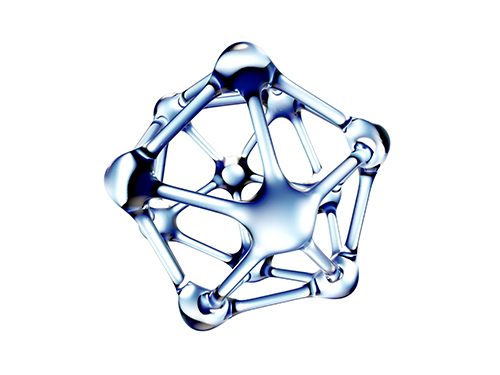
(Figure: An example of a rationally synthesized MOF@MOFs (cubic HKUST-1@MOF-5 ))
2019.08.30 View 25823
-
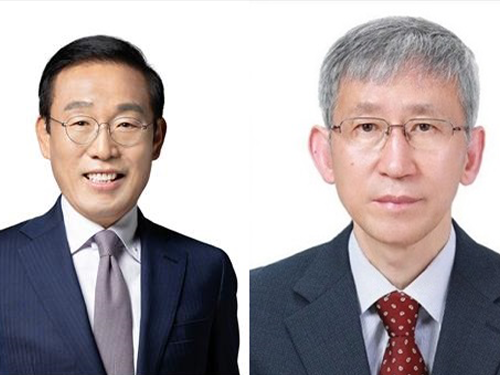 Two Alumni Win the Korea Best Scientist and Technologist Awards
Vice Chairman Ki-Nam Kim (Left) and Distinguished Professor Sukbok Chang (Right)
<ⓒ Photo by MSIT and KOFST>
Distinguished KAIST Professor Sukbok Chang from the Department of Chemistry and Vice Chairman Ki-Nam Kim of Samsung Electronics were selected as the winners of the “2019 Korea Best Scientist and Technologist Awards” by the Ministry of Science and ICT (MSIT) and the Korean Federation of Science and Technology Societies (KOFST). The awards, which were first handed out in 2003, are the highest honor bestowed to the two most outstanding scientists in Korea every year, and this year’s awardees are of greater significance as they are both KAIST alumni.
Professor Chang was recognized for his pioneering achievements and lifetime contributions to the development of carbon-hydrogen activation strategies, especially for carbon-carbon, carbon-nitrogen, and carbon-oxygen formations. His research group has also been actively involved in the development of highly selective catalytic systems allowing the controlled defunctionalization of bio-derived platform substrates under mild conditions, and opening a new avenue for the utilization of biomass-derived platform chemicals. The results of his study have been introduced worldwide through many prestigious journals including Science, Nature Chemistry, and Nature Catalysis, making him one of the world's top 1% researchers by the number of references made to his papers by his peers over four consecutive years from 2015 to 2018.
Vice Chairman Kim, who received his M.E. degree from KAIST’s School of Electrical Engineering in 1983, has been credited with playing a leading role in the development of system semiconductors.
The awards were conferred on July 4 at the opening ceremony of the 2019 Korea Science and Technology Annual Meeting.
(END)
2019.07.09 View 23010
-
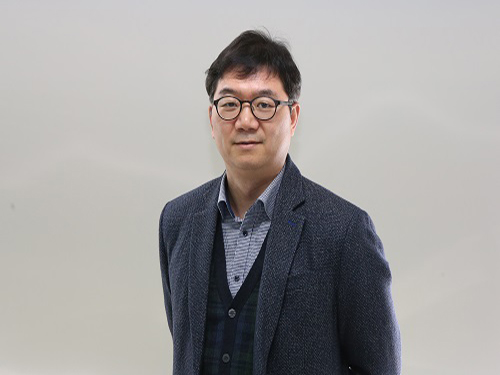 KAIST Develops Analog Memristive Synapses for Neuromorphic Chips
(Professor Sung-Yool Choi from the School of Electrical Engineering)
A KAIST research team developed a technology that makes a transition of the operation mode of flexible memristors to synaptic analog switching by reducing the size of the formed filament. Through this technology, memristors can extend their role to memristive synapses for neuromorphic chips, which will lead to developing soft neuromorphic intelligent systems.
Brain-inspired neuromorphic chips have been gaining a great deal of attention for reducing the power consumption and integrating data processing, compared to conventional semiconductor chips. Similarly, memristors are known to be the most suitable candidate for making a crossbar array which is the most efficient architecture for realizing hardware-based artificial neural network (ANN) inside a neuromorphic chip.
A hardware-based ANN consists of a neuron circuit and synapse elements, the connecting pieces. In the neuromorphic system, the synaptic weight, which represents the connection strength between neurons, should be stored and updated as the type of analog data at each synapse.
However, most memristors have digital characteristics suitable for nonvolatile memory. These characteristics put a limitation on the analog operation of the memristors, which makes it difficult to apply them to synaptic devices.
Professor Sung-Yool Choi from the School of Electrical Engineering and his team fabricated a flexible polymer memristor on a plastic substrate, and found that changing the size of the conductive metal filaments formed inside the device on the scale of metal atoms can make a transition of the memristor behavior from digital to analog.
Using this phenomenon, the team developed flexible memristor-based electronic synapses, which can continuously and linearly update synaptic weight, and operate under mechanical deformations such as bending.
The team confirmed that the ANN based on these memristor synapses can effectively classify person’s facial images even when they were damaged. This research demonstrated the possibility of a neuromorphic chip that can efficiently recognize faces, numbers, and objects.
Professor Choi said, “We found the principles underlying the transition from digital to analog operation of the memristors. I believe that this research paves the way for applying various memristors to either digital memory or electronic synapses, and will accelerate the development of a high-performing neuromorphic chip.”
In a joint research project with Professor Sung Gap Im (KAIST) and Professor V. P. Dravid (Northwestern University), this study was led by Dr. Byung Chul Jang (Samsung Electronics), Dr. Sungkyu Kim (Northwestern University) and Dr. Sang Yoon Yang (KAIST), and was published online in Nano Letters (10.1021/acs.nanolett.8b04023) on January 4, 2019.
Figure 1. a) Schematic illustration of a flexible pV3D3 memristor-based electronic synapse array. b) Cross-sectional TEM image of the flexible pV3D3 memristor
2019.02.28 View 16896
-
 First Female Grand Prize Awardee of Samsung Humantech
Yeunhee Huh, PhD candidate (Professor Gyu-Hyeong Cho) from the School of Electrical Engineering received the grand prize of the 24th Humantech Paper Award. She is the first female recipient of this prize since its establishment in 1994. The Humantech Paper Award is hosted by Samsung Electronics and sponsored by the Ministry of Science and ICT with JoongAng Daily Newspaper. Her paper is titled, ‘A Hybrid Structure Dual-Path Step-Down Converter with 96.2% Peak Efficiency using 250mΩ Large-DCR Inductor’. Electronic devices require numerous chips and have a power converter to supply energy adequately. She proposed a new structure to enhance energy efficiency by combining inductors and capacitors. Enhancing energy efficiency can reduce energy loss, which prolongs battery hours and solves overheating of devices; for instance, energy loss leads to the overheating issue affecting phone chargers. This technology can be applied to various electronic devices, such as cell phones, laptops, and drones. Huh said, “Power has to go up in order to meet customers’ needs; however the overheating problem emerges during this process. This problem affects surrounding circuits and causes other issues, such as malfunctions of electronic devices. This technology may vary according to the conditions, but it can enhance energy efficiency up to 4%.”During the ceremony, about eight hundred million KRW worth cash prizes was conferred to 119 papers. KAIST (44 papers) and Gyeonggi Science High School (6 papers) received special awards given to the schools.
2018.02.12 View 17593
-
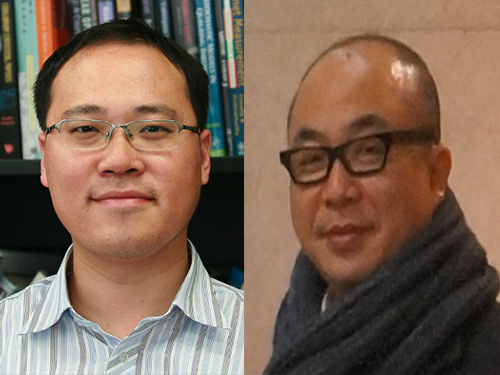 KAIST Researchers Receive the 2016 IEEE William R. Bennett Prize
A research team led by Professors Yung Yi and Song Chong from the Electrical Engineering Department at KAIST has been awarded the 2016 William R. Bennett Prize of the Institute of Electrical and Electronics Engineers (IEEE), which is the most prestigious award in the field of communications network. The IEEE bestows the honor annually and selects winning papers from among those published in the past three years for its quality, originality, scientific citation index, and peer reviews.
The IEEE award ceremony will take place on May 24, 2016 at the IEEE International Conference on Communications in Kuala Lumpur, Malaysia.
The team members include Dr. Kyoung-Han Lee, a KAIST graduate, who is currently a professor at Ulsan National Institute of Science and Technology (UNIST) in Korea, Dr. Joo-Hyun Lee, a postdoctoral researcher at Ohio State University in the United States, and In-Jong Rhee, a vice president of the Mobile Division at Samsung Electronics. The same KAIST team previously received the award back in 2013, making them the second recipient ever to win the IEEE William R. Bennett Prize twice.
Past winners include Professors Robert Gallager of the Massachusetts Institute of Technology (MIT), Sachin Katti of Stanford University, and Ion Stoica of the University of California at Berkeley.
The research team received the Bennett award for their work on “Mobile Data Offloading: How Much Can WiFi Deliver?” Their research paper has been cited more than 500 times since its publication in 2013. They proposed an original method to effectively offload the cellular network and maximize the Wi-Fi network usage by analyzing the pattern of individual human mobility in daily life.
2016.05.02 View 21886
-
 KAIST Holds 'Wearable Computer Contest'
Application for ‘2014 Wearable Computer Contest’ until May 23rd
KAIST is holding the 2014 Wearable Computer Contest (WCC) sponsored by Samsung Electronics in November and is currently receiving applications until May 23rd.
Wearable Computer is a device that can be worn on body or clothing, which allows users to be connected while on the move. It is currently receiving attention as the next generation of computer industry that will replace smart phones.
The Wearable Computer Contest will be held under the topic “Smart Fashion to Simple Life” and will be divided into a designated topic contest and an idea contest.
In the “designated topic contest,” each group will compete with their prototypes based on their own ideas about a wearable computer that combines IT and fashion. A total of 15 teams that enter the finals after a document review will be provided with USD 1,400 for a prototype production, Samsung's smart IT devices, and a systematic training program.
For the “idea contest,” competitors will present their ideas for a wearable computer in a poster format. The teams qualified to continue onto the finals will be given an opportunity to create and exhibit a life-sized model.
Chairman of the Wearable Computer Contest (WCC), Professor Hoejun Yoo from the KAIST Department of Electrical Engineering said, “Wearable Computer is the major future growth industry that will lead IT industry after smart phones. I hope WCC will help nurture the future professionals in the field of wearable computer industry.”
The applications for the Wearable Computer Contest can be found on the main website (http://www.ufcom.org) until May 23rd. Both undergraduate and graduate students can participate as a team for the “designated topic contest,” and there are no qualifications required for those who enter the “idea contest.”
Last year, a total of 104 teams from universities all around Korea has participated in the Wearable Computer Contest. The finalist, team 'Jump' from Chungnam University, received the Award of the Minister of Science, ICT and Future Planning, Republic of Korea.
2014.03.28 View 16974
-
 Former Minister of Information & Communications Dae-Je Jin donated to KAIST.
From left to right: Yong-Hoo Lee, Dean of Information Science & Technology College, KAIST; Gang-Seok Lee, Vice President of Skylake Incuvest, Inc.; Dae-Je Jin, Former Minister of Information & Communications; Byung-Kyu Choi, Provost of KAIST; and Dae-Joon Joo, Vice President of Planning & Budget, KAIST.
Mr. Dae-Je Jin, who had served as the Minister of Information & Communications, South Korea, gave away about 100,000 USD to KAIST and hoped that his donation would be used for the development of information and technology industry in the nation.
Mr. Jin, widely known as one of the reputable business leaders in the IT industry, was also once the president of Samsung Electronics, a leading global supplier of electronic products and goods. Currently, he runs a private equity investor called, Skylake Incuvest, Inc., which invests and incubates innovative information, communications, and technology companies.
“The real growth engine for our nation to become an economic powerhouse on a global stage has been the highly trained people who shore up our industry. Universities including KAIST have played an excellent role in providing our nation with such outstanding researchers and engineers. I will continue to support for KAIST"s mission as a leading research university in science and technology in Korea and the world,” said Mr. Jin.
KAIST said that his donation would be used for the support of its IT researches.
2010.08.27 View 19328