%53%63%69%65%6e%63%65
-
 AI, Humanoid Robots, and Space Rovers to Gather: Experience Future Technologies at the Science Festival
<(From left) Photos of the KAIST Science Festival exhibition hall and booths from the previous year>
KAIST announced on April 10th that KAIST will participate in the ‘2026 Korea Science and Technology Festival,’ the largest science festival in the country, to mark Science Month in April. KAIST will operate ‘KAIST Play World,’ an interactive exhibition hall showcasing the pinnacle of AI and robotics. This year’s festival will be held in two parts: ‘2026 Korea Science Festival in Daejeon (April 17–19)’ and ‘2026 Korea Science Festival in Gyeonggi (April 24–26).’ KAIST will host consecutive exhibitions at the Daejeon DCC (Second Exhibition Hall) and KINTEX in Ilsan. Under the ‘Play World’ concept, KAIST plans to offer differentiated interactive content tailored to various generations. In particular, on-site events and souvenirs featuring the KAIST character ‘Nupjuk-i’ will be provided to enhance visitor engagement.
□ [Daejeon] From Humanoid Robots to Space Rovers and AI Semiconductor Friend ‘BROCA’ The exhibition at Daejeon DCC from April 17 to 19 will feature ‘Future Tech Experience Content’ centered on advanced robotics, space technology, and AI semiconductor technology, allowing visitors to experience KAIST's core research achievements firsthand. First, a humanoid robot equipped with control technology developed by Eurobotics Co., Ltd., a startup from Professor Myung Hyun’s research team in the School of Electrical Engineering, will be unveiled on the 17th. This robot is gaining attention as a next-generation platform capable of natural walking in both industrial and urban environments. Additionally, on the 19th, a humanoid robot from Professor Park Hae-won’s team in the Department of Mechanical Engineering will demonstrate high-difficulty human movements such as the duck walk and moonwalk, showcasing its potential for practical industrial use. Professor Lee Dae-young’s team in the Department of Aerospace Engineering will present the world’s first deployable lunar rover wheel based on origami technology. Visitors can touch the transformable wheel model and observe space rover demonstrations and displays by the co-developer, Unmanned Exploration Laboratory (UEL). Educational sessions for folding various space systems using origami will also be available. Along with this, visitors can experience advanced human-machine interaction through ‘BROCA,’ a mobile social AI agent that builds relationships with users beyond simple Q&A, and the voice-capable guide robot ‘On-Newro,’ developed by Professor Yoo Hoi-jun’s team at the AI Semiconductor Graduate School. The student startup ‘Liar Games’ will operate a trial zone for ‘Dual Focus,’ an abstract strategy board game where players compete 1:1 against AI. Similar to the deep strategic play of chess or Go, the rules are intuitive enough to learn in 5 minutes, which is expected to stimulate the challenge-seeking spirit of visitors.
< (Top row from left) Professor Park Hae-won’s humanoid robot, Professor Yoo Hoi-jun’s BROCA, (Bottom row from left) Eurobotics’ humanoid walking technology capable of overcoming any terrain based on a mobile kit, Professor Lee Dae-young’s storable and deployable rover for lunar exploration >
□ [Gyeonggi] ‘Raibo’ the Rough-Terrain Robot and AI-Based Future Experiences The Gyeonggi exhibition at KINTEX from April 24 to 26 will focus on ‘Life-Oriented Experience Content’ centered on AI and everyday technology. ‘Raibo,’ a quadrupedal robot developed by Professor Hwangbo Jemin’s team in the Department of Mechanical Engineering, is capable of high-speed movement on complex terrains such as sand, stairs, and debris, and is expected to be utilized for disaster relief and search missions. Visitors can experience Raibo’s driving technology directly at the site. The ‘Future Memories Studio’ from Professor Nam Tek-jin’s team in the Department of Industrial Design will provide a new experience where visitors can meet and talk to their future selves 10 years later, recreated using AI-generated visuals and voices. Participants will receive a four-cut photo capturing a moment that is the future for their current self but a memory for their future self. Professor Yun Yun-jin’s team at the KAIST Urban AI Research Center will present technology that analyzes the impact of climate change on small business sales through ‘AI-based Sight and Sound for Heatwave Consumption Index.’ They will showcase time-series AI-based sales prediction technology and generative AI technology that expresses this visually and audibly. Furthermore, Professor Yun’s lecture, “City Walk of Artificial Intelligence: Urban AI and the Future of Cities,” will be held on April 24 (Fri) at 15:00 in KINTEX Meeting Room 206. In addition, Professor Yoo Hoi-jun’s team from the AI Semiconductor Graduate School will continue from the Daejeon exhibition to operate an experience zone for various mobile AI agents based on AI semiconductors. Also, the student startup Rabbithole Company will introduce a new type of game where AI NPCs (Non-Player Characters) converse and cooperate to solve given problems. Visitors can participate by observing the process where AI characters create their own stories by being presented with situations or goals instead of being directly controlled.
< (Top row from left) Professor Hwangbo Jemin’s Raibo, Professor Nam Tek-jin’s team: Met My Future Self 10 Years Later, (Bottom row from left) Professor Yun Yun-jin’s Seeing and Hearing Heatwave Consumption Index through AI, Game image from CEO Kim Na-hoon’s Rabbithole Company >
Through the exhibitions in both regions, KAIST plans to operate various participatory programs to make science and technology easy and fun to approach, vividly conveying how technology from the laboratory transforms our lives. KAIST President Lee Kwang-hyung remarked, “This year’s science festival is a large-scale event connecting Daejeon and Gyeonggi, allowing more citizens to experience KAIST’s innovative research achievements firsthand.” He added, “I hope this will be a precious time for people to experience the future created by robots and AI, fostering their dreams and curiosity about science.”
2026.04.13 View 1718
AI, Humanoid Robots, and Space Rovers to Gather: Experience Future Technologies at the Science Festival
<(From left) Photos of the KAIST Science Festival exhibition hall and booths from the previous year>
KAIST announced on April 10th that KAIST will participate in the ‘2026 Korea Science and Technology Festival,’ the largest science festival in the country, to mark Science Month in April. KAIST will operate ‘KAIST Play World,’ an interactive exhibition hall showcasing the pinnacle of AI and robotics. This year’s festival will be held in two parts: ‘2026 Korea Science Festival in Daejeon (April 17–19)’ and ‘2026 Korea Science Festival in Gyeonggi (April 24–26).’ KAIST will host consecutive exhibitions at the Daejeon DCC (Second Exhibition Hall) and KINTEX in Ilsan. Under the ‘Play World’ concept, KAIST plans to offer differentiated interactive content tailored to various generations. In particular, on-site events and souvenirs featuring the KAIST character ‘Nupjuk-i’ will be provided to enhance visitor engagement.
□ [Daejeon] From Humanoid Robots to Space Rovers and AI Semiconductor Friend ‘BROCA’ The exhibition at Daejeon DCC from April 17 to 19 will feature ‘Future Tech Experience Content’ centered on advanced robotics, space technology, and AI semiconductor technology, allowing visitors to experience KAIST's core research achievements firsthand. First, a humanoid robot equipped with control technology developed by Eurobotics Co., Ltd., a startup from Professor Myung Hyun’s research team in the School of Electrical Engineering, will be unveiled on the 17th. This robot is gaining attention as a next-generation platform capable of natural walking in both industrial and urban environments. Additionally, on the 19th, a humanoid robot from Professor Park Hae-won’s team in the Department of Mechanical Engineering will demonstrate high-difficulty human movements such as the duck walk and moonwalk, showcasing its potential for practical industrial use. Professor Lee Dae-young’s team in the Department of Aerospace Engineering will present the world’s first deployable lunar rover wheel based on origami technology. Visitors can touch the transformable wheel model and observe space rover demonstrations and displays by the co-developer, Unmanned Exploration Laboratory (UEL). Educational sessions for folding various space systems using origami will also be available. Along with this, visitors can experience advanced human-machine interaction through ‘BROCA,’ a mobile social AI agent that builds relationships with users beyond simple Q&A, and the voice-capable guide robot ‘On-Newro,’ developed by Professor Yoo Hoi-jun’s team at the AI Semiconductor Graduate School. The student startup ‘Liar Games’ will operate a trial zone for ‘Dual Focus,’ an abstract strategy board game where players compete 1:1 against AI. Similar to the deep strategic play of chess or Go, the rules are intuitive enough to learn in 5 minutes, which is expected to stimulate the challenge-seeking spirit of visitors.
< (Top row from left) Professor Park Hae-won’s humanoid robot, Professor Yoo Hoi-jun’s BROCA, (Bottom row from left) Eurobotics’ humanoid walking technology capable of overcoming any terrain based on a mobile kit, Professor Lee Dae-young’s storable and deployable rover for lunar exploration >
□ [Gyeonggi] ‘Raibo’ the Rough-Terrain Robot and AI-Based Future Experiences The Gyeonggi exhibition at KINTEX from April 24 to 26 will focus on ‘Life-Oriented Experience Content’ centered on AI and everyday technology. ‘Raibo,’ a quadrupedal robot developed by Professor Hwangbo Jemin’s team in the Department of Mechanical Engineering, is capable of high-speed movement on complex terrains such as sand, stairs, and debris, and is expected to be utilized for disaster relief and search missions. Visitors can experience Raibo’s driving technology directly at the site. The ‘Future Memories Studio’ from Professor Nam Tek-jin’s team in the Department of Industrial Design will provide a new experience where visitors can meet and talk to their future selves 10 years later, recreated using AI-generated visuals and voices. Participants will receive a four-cut photo capturing a moment that is the future for their current self but a memory for their future self. Professor Yun Yun-jin’s team at the KAIST Urban AI Research Center will present technology that analyzes the impact of climate change on small business sales through ‘AI-based Sight and Sound for Heatwave Consumption Index.’ They will showcase time-series AI-based sales prediction technology and generative AI technology that expresses this visually and audibly. Furthermore, Professor Yun’s lecture, “City Walk of Artificial Intelligence: Urban AI and the Future of Cities,” will be held on April 24 (Fri) at 15:00 in KINTEX Meeting Room 206. In addition, Professor Yoo Hoi-jun’s team from the AI Semiconductor Graduate School will continue from the Daejeon exhibition to operate an experience zone for various mobile AI agents based on AI semiconductors. Also, the student startup Rabbithole Company will introduce a new type of game where AI NPCs (Non-Player Characters) converse and cooperate to solve given problems. Visitors can participate by observing the process where AI characters create their own stories by being presented with situations or goals instead of being directly controlled.
< (Top row from left) Professor Hwangbo Jemin’s Raibo, Professor Nam Tek-jin’s team: Met My Future Self 10 Years Later, (Bottom row from left) Professor Yun Yun-jin’s Seeing and Hearing Heatwave Consumption Index through AI, Game image from CEO Kim Na-hoon’s Rabbithole Company >
Through the exhibitions in both regions, KAIST plans to operate various participatory programs to make science and technology easy and fun to approach, vividly conveying how technology from the laboratory transforms our lives. KAIST President Lee Kwang-hyung remarked, “This year’s science festival is a large-scale event connecting Daejeon and Gyeonggi, allowing more citizens to experience KAIST’s innovative research achievements firsthand.” He added, “I hope this will be a precious time for people to experience the future created by robots and AI, fostering their dreams and curiosity about science.”
2026.04.13 View 1718 -
 Longevity mediated by suppressing age-associated circRNA
< (Back row from left) Prof. Yoon Ki Kim, Prof. Seung-Jae V. Lee, and Gwangrog Lee; (Front row from left) Dr. Sung Ho Boo, Sieun S. Kim, Seokjin Ham, and (top) Donghun Lee >
Cells in our bodies produce RNA based on genetic information stored in DNA, and RNA serves as a blueprint for making proteins. Researchers at our university have discovered a new phenomenon: removing 'circular RNA' that accumulates in cells as we age can slow down aging and extend lifespan. This study provides crucial clues for uncovering the principles of aging and developing treatment strategies for related diseases.
Professor Seung-Jae V. Lee’s research team (RNA-Mediated Healthspan and Longevity Research Center) from the Department of Biological Sciences, in collaboration with research teams led by Professors Yoon Ki Kim and Gwangrog Lee, announced on the 18th that they discovered the RNASEK protein—an enzyme that degrades circular RNA—plays a vital role in slowing aging and extending lifespan.
Until now, circular RNA has been regarded mainly as an aging marker because of its stability, which allows it to accumulate over time. However, the molecular mechanism for removing this RNA and its direct link to aging had not been clearly identified. The research team conducted this study to determine how the accumulation of circular RNA affects aging and whether an intracellular management system exists to regulate it.
Using Caenorhabditis elegans (C. elegans), a short-lived roundworm widely used in aging research, the team first confirmed that the circular RNA-degrading enzyme RNASEK is essential for longevity. They also discovered that as aging progresses, the amount of RNASEK decreases, resulting in an abnormal accumulation of circular RNA within cells.
Conversely, artificially increasing the levels of RNASEK (overexpression) extended the lifespan and allowed the organisms to survive longer in a healthy state. This implies that the process of appropriately removing cellular circular RNA is critical for maintaining health and longevity.
The research team also found that RNASEK prevents the toxic aggregation of circular RNAs in aged organisms. . When RNASEK is deficient and circular RNA accumulates, "stress granules" form abnormally inside the cell, which can impair cellular functions and accelerate aging.
RNASEK works alongside the chaperone protein HSP90 (which helps proteins avoid misfolding or clumping) to inhibit the formation of these stress granules and help cells maintain a normal state. Notably, this phenomenon was observed not only in C. elegans but also in human cells. In mammals, RNASEK also functions to directly degrade circular RNA; a deficiency of RNASEK in human cells and mouse models led to premature aging.
< Diagram showing progress toward longevity or aging depending on circular RNA and the removal enzyme RNASEK >
The researchers explained that this study is significant as it identifies a mechanism for regulating aging at the RNA level. They suggested that research using RNASEK to control circular RNA could lead to the development of treatment strategies for human aging and degenerative diseases.
Professor Seung-Jae V. Lee of KAIST, who led the study, explained, "Until now, circular RNA was merely regarded as a marker of aging that accumulates over time due to its stability. This study proves that circular RNA accumulated during aging actually induces aging, and that RNASEK, which removes it, is a key regulator that slows aging and induces healthy longevity."
< (AI-generated image) Longevity induced by the circular RNA-removing enzyme RNASEK >
Drs. Sieun S. Kim, Seokjin Ham, Sung Ho Boo, and Donghun Lee from the KAIST Department of Biological Sciences participated as joint first authors. The research results were published on February 24 in the world-renowned scientific journal Molecular Cell.
Paper Title: Ribonuclease $\kappa$ promotes longevity by preventing age-associated accumulation of circular RNA in stress granules
DOI: 10.1016/j.molcel.2026.01.031
This research was conducted with support from the Leader Researcher Program of the National Research Foundation of Korea.
2026.03.18 View 1953
Longevity mediated by suppressing age-associated circRNA
< (Back row from left) Prof. Yoon Ki Kim, Prof. Seung-Jae V. Lee, and Gwangrog Lee; (Front row from left) Dr. Sung Ho Boo, Sieun S. Kim, Seokjin Ham, and (top) Donghun Lee >
Cells in our bodies produce RNA based on genetic information stored in DNA, and RNA serves as a blueprint for making proteins. Researchers at our university have discovered a new phenomenon: removing 'circular RNA' that accumulates in cells as we age can slow down aging and extend lifespan. This study provides crucial clues for uncovering the principles of aging and developing treatment strategies for related diseases.
Professor Seung-Jae V. Lee’s research team (RNA-Mediated Healthspan and Longevity Research Center) from the Department of Biological Sciences, in collaboration with research teams led by Professors Yoon Ki Kim and Gwangrog Lee, announced on the 18th that they discovered the RNASEK protein—an enzyme that degrades circular RNA—plays a vital role in slowing aging and extending lifespan.
Until now, circular RNA has been regarded mainly as an aging marker because of its stability, which allows it to accumulate over time. However, the molecular mechanism for removing this RNA and its direct link to aging had not been clearly identified. The research team conducted this study to determine how the accumulation of circular RNA affects aging and whether an intracellular management system exists to regulate it.
Using Caenorhabditis elegans (C. elegans), a short-lived roundworm widely used in aging research, the team first confirmed that the circular RNA-degrading enzyme RNASEK is essential for longevity. They also discovered that as aging progresses, the amount of RNASEK decreases, resulting in an abnormal accumulation of circular RNA within cells.
Conversely, artificially increasing the levels of RNASEK (overexpression) extended the lifespan and allowed the organisms to survive longer in a healthy state. This implies that the process of appropriately removing cellular circular RNA is critical for maintaining health and longevity.
The research team also found that RNASEK prevents the toxic aggregation of circular RNAs in aged organisms. . When RNASEK is deficient and circular RNA accumulates, "stress granules" form abnormally inside the cell, which can impair cellular functions and accelerate aging.
RNASEK works alongside the chaperone protein HSP90 (which helps proteins avoid misfolding or clumping) to inhibit the formation of these stress granules and help cells maintain a normal state. Notably, this phenomenon was observed not only in C. elegans but also in human cells. In mammals, RNASEK also functions to directly degrade circular RNA; a deficiency of RNASEK in human cells and mouse models led to premature aging.
< Diagram showing progress toward longevity or aging depending on circular RNA and the removal enzyme RNASEK >
The researchers explained that this study is significant as it identifies a mechanism for regulating aging at the RNA level. They suggested that research using RNASEK to control circular RNA could lead to the development of treatment strategies for human aging and degenerative diseases.
Professor Seung-Jae V. Lee of KAIST, who led the study, explained, "Until now, circular RNA was merely regarded as a marker of aging that accumulates over time due to its stability. This study proves that circular RNA accumulated during aging actually induces aging, and that RNASEK, which removes it, is a key regulator that slows aging and induces healthy longevity."
< (AI-generated image) Longevity induced by the circular RNA-removing enzyme RNASEK >
Drs. Sieun S. Kim, Seokjin Ham, Sung Ho Boo, and Donghun Lee from the KAIST Department of Biological Sciences participated as joint first authors. The research results were published on February 24 in the world-renowned scientific journal Molecular Cell.
Paper Title: Ribonuclease $\kappa$ promotes longevity by preventing age-associated accumulation of circular RNA in stress granules
DOI: 10.1016/j.molcel.2026.01.031
This research was conducted with support from the Leader Researcher Program of the National Research Foundation of Korea.
2026.03.18 View 1953 -
 KAIST Develops Brain-Like AI… Thinks One More Time Even When Predictions Are Wrong
<(From left) Professor Sang Wan Lee, Myoung Hoon Ha, and Dr. Yoondo Sung>
Artificial intelligence now plays Go, paints pictures, and even converses like a human. However, there remains a decisive difference: AI requires far more electricity than the human brain to operate. Scientists have long asked the question, “How can the brain learn so intelligently using so little energy?” KAIST researchers have moved one step closer to the answer.
KAIST (President Kwang Hyung Lee) announced on the 29th that a research team led by Distinguished Professor Sang Wan Lee of the Department of Brain and Cognitive Sciences has developed a new technology that applies the learning principles of the human brain to deep learning, enabling stable training even in deep artificial intelligence models.
Our brain does not passively receive the world. Instead of merely perceiving what is happening in the present, it first predicts what will happen next and, when reality differs from that prediction, adjusts itself to reduce the difference (i.e., prediction error). This is similar to anticipating an opponent’s next move in Go and changing strategy if the prediction turns out to be wrong. This mode of information processing is known as “Predictive Coding.”
< Predictive Coding (PC) Module >
Scientists have attempted to apply this principle to AI, but encountered difficulties. As neural networks become deeper, errors tend to concentrate in specific layers or vanish altogether, repeatedly leading to performance degradation.
The research team mathematically identified the cause of this problem and proposed a new solution. The key idea is simple: instead of predicting only the final outcome, the AI is designed to also predict how its prediction errors will change in the future. The team refers to this as “Meta Prediction.” In simple terms, it is an AI that “thinks once more about its mistakes.” When this method was applied, learning proceeded stably in deep neural networks without halting.
<Analysis of Instability in Predictive Coding Model Errors>
The experimental results were also impressive. In 29 out of 30 experiments, the proposed method achieved higher accuracy than the current standard AI training method, backpropagation. Backpropagation is the representative learning method in which AI “goes backward by the amount of error and corrects it.”
Conventional AI training methods (backpropagation) require tightly interconnected layers, meaning the entire network must be computed and updated simultaneously. In contrast, this new approach demonstrates that, like the brain, large AI models can be effectively trained even when learning occurs in a distributed and partially independent manner.
<Performance Comparison of Predictive Coding Models>
This technology is expected to expand into various fields where power efficiency is critical, including neuromorphic computing, robot AI that must adapt to changing environments, and edge AI operating within devices.
Distinguished Professor Sang Wan Lee stated, “The key to this research is not simply imitating the structure of the brain, but enabling AI to follow the brain’s learning principles themselves,” adding, “We have opened the possibility of artificial intelligence that learns efficiently like the brain.”
This study was conducted with Dr. Myoung Hoon Ha as the first author and Professor Sang Wan Lee as the corresponding author. The paper was accepted to the International Conference on Learning Representations (ICLR 2026) and was published online on January 26.
※ Paper title: “Stable and Scalable Deep Predictive Coding Networks with Meta Prediction Errors”Original paper: https://openreview.net/forum?id=kE5jJUHl9i¬eId=e6T5T9cYqO
This research was supported by the Ministry of Science and ICT and the Institute of Information & Communications Technology Planning & Evaluation (IITP) through the Digital Global Research Support Program (joint research with Microsoft Research), the Samsung Electronics SAIT NPRC Program, and the SW Star Lab Program.
2026.03.06 View 1963
KAIST Develops Brain-Like AI… Thinks One More Time Even When Predictions Are Wrong
<(From left) Professor Sang Wan Lee, Myoung Hoon Ha, and Dr. Yoondo Sung>
Artificial intelligence now plays Go, paints pictures, and even converses like a human. However, there remains a decisive difference: AI requires far more electricity than the human brain to operate. Scientists have long asked the question, “How can the brain learn so intelligently using so little energy?” KAIST researchers have moved one step closer to the answer.
KAIST (President Kwang Hyung Lee) announced on the 29th that a research team led by Distinguished Professor Sang Wan Lee of the Department of Brain and Cognitive Sciences has developed a new technology that applies the learning principles of the human brain to deep learning, enabling stable training even in deep artificial intelligence models.
Our brain does not passively receive the world. Instead of merely perceiving what is happening in the present, it first predicts what will happen next and, when reality differs from that prediction, adjusts itself to reduce the difference (i.e., prediction error). This is similar to anticipating an opponent’s next move in Go and changing strategy if the prediction turns out to be wrong. This mode of information processing is known as “Predictive Coding.”
< Predictive Coding (PC) Module >
Scientists have attempted to apply this principle to AI, but encountered difficulties. As neural networks become deeper, errors tend to concentrate in specific layers or vanish altogether, repeatedly leading to performance degradation.
The research team mathematically identified the cause of this problem and proposed a new solution. The key idea is simple: instead of predicting only the final outcome, the AI is designed to also predict how its prediction errors will change in the future. The team refers to this as “Meta Prediction.” In simple terms, it is an AI that “thinks once more about its mistakes.” When this method was applied, learning proceeded stably in deep neural networks without halting.
<Analysis of Instability in Predictive Coding Model Errors>
The experimental results were also impressive. In 29 out of 30 experiments, the proposed method achieved higher accuracy than the current standard AI training method, backpropagation. Backpropagation is the representative learning method in which AI “goes backward by the amount of error and corrects it.”
Conventional AI training methods (backpropagation) require tightly interconnected layers, meaning the entire network must be computed and updated simultaneously. In contrast, this new approach demonstrates that, like the brain, large AI models can be effectively trained even when learning occurs in a distributed and partially independent manner.
<Performance Comparison of Predictive Coding Models>
This technology is expected to expand into various fields where power efficiency is critical, including neuromorphic computing, robot AI that must adapt to changing environments, and edge AI operating within devices.
Distinguished Professor Sang Wan Lee stated, “The key to this research is not simply imitating the structure of the brain, but enabling AI to follow the brain’s learning principles themselves,” adding, “We have opened the possibility of artificial intelligence that learns efficiently like the brain.”
This study was conducted with Dr. Myoung Hoon Ha as the first author and Professor Sang Wan Lee as the corresponding author. The paper was accepted to the International Conference on Learning Representations (ICLR 2026) and was published online on January 26.
※ Paper title: “Stable and Scalable Deep Predictive Coding Networks with Meta Prediction Errors”Original paper: https://openreview.net/forum?id=kE5jJUHl9i¬eId=e6T5T9cYqO
This research was supported by the Ministry of Science and ICT and the Institute of Information & Communications Technology Planning & Evaluation (IITP) through the Digital Global Research Support Program (joint research with Microsoft Research), the Samsung Electronics SAIT NPRC Program, and the SW Star Lab Program.
2026.03.06 View 1963 -
 Designing the Heart of Hydrogen Cars with AI... Development of Next-Generation Super Catalyst
<(From left) KAIST Ph.D. Candidate HyunWoo Chang, Professor EunAe Cho. (Top, from left) Seoul National University Professor Won Bo Lee, Dr. Jae Hyun Ryu.>
In the era of climate crisis, hydrogen vehicles are emerging as an alternative for eco-friendly mobility. However, the fuel cell, known as the ‘heart of the hydrogen car,’ still faces limitations of high cost and short lifespan. The core cause is the platinum catalyst. While it is a decisive material for generating electricity, the reaction is slow, performance degrades over time, and manufacturing costs are high. Korean researchers have presented a clue to solving this difficult problem.
KAIST announced on February 26th that the research team led by Professor EunAe Cho of the Department of Materials Science and Engineering, together with the team of Professor Won Bo Lee of the School of Chemical and Biological Engineering at Seoul National University, has developed a technology that predicts the ‘atomic arrangement’ tendency of catalysts using artificial intelligence (AI).
This technology is akin to calculating beforehand which combination is advantageous for completing a puzzle before putting it together. By having AI calculate the arrangement speed of metal atoms first, it has become possible to efficiently design catalysts with better performance. The core of this research is that ‘AI revealed the fact that zinc plays a decisive role in the platinum-cobalt atomic arrangement.’
<Schematic diagram of AI-based atomic alignment prediction>
Despite the high performance of existing platinum-cobalt (Pt-Co) alloy catalysts, very high-temperature heat treatment was required to create the ‘intermetallic (L1₀)’ structure, where atoms are regularly arranged. In this process, particles would clump together, or the structure would become unstable, posing limitations for actual fuel cell application.
To solve this problem, the research team introduced machine learning-based quantum chemistry simulations. Through AI, they precisely predicted how atoms move and arrange themselves inside the catalyst.
As a result, they discovered that zinc (Zn) acts as a mediating element that promotes atomic arrangement. The principle is that when zinc is introduced, atoms find their places more easily, forming a more sophisticated and stable structure. In other words, AI has found the ‘optimal path for atomic arrangement creation’ in advance.
< Synthesis process of Zinc-introduced Platinum-Cobalt catalyst>
The zinc-platinum-cobalt catalyst, synthesized based on AI predictions, secured both higher activity and superior long-term durability compared to commercial platinum catalysts. This is a case proving that the ‘virtual blueprint’ calculated by artificial intelligence can be implemented as a high-performance catalyst in an actual laboratory.
In particular, this technology is expected to contribute to extending catalyst lifespan and reducing manufacturing costs across core carbon-neutral industries, such as hydrogen passenger cars, hydrogen trucks requiring long-distance operation, hydrogen ships, and energy storage systems (ESS).
< Conceptual diagram of AI-based catalyst development (AI-generated image) >
Professor EunAe Cho stated, “This research is a case of utilizing machine learning to predict the atomic arrangement tendency of catalysts in advance and implementing this through actual synthesis,” and added, “AI-based material design will become a new paradigm for the development of next-generation fuel cell catalysts.”
Ph.D. Candidate HyunWoo Chang from KAIST’s Department of Materials Science and Engineering and Dr. Jae Hyun Ryu from Seoul National University’s School of Chemical and Biological Engineering participated as co-first authors in this research. The research results were published on January 15, 2026, in ‘Advanced Energy Materials,’ a world-renowned academic journal in the energy materials field. ※ Paper Title: Machine Learning-Guided Design of L1₀-PtCo Intermetallic Catalysts: Zn-Mediated Atomic Ordering, DOI: https://doi.org/10.1002/aenm.202505211
This research was conducted with the support of the National Research Foundation of Korea’s Nano & Material Technology Development Program and the Korea Institute of Energy Technology Evaluation and Planning’s Energy Innovation Research Center for Fuel Cell Technology.
2026.02.27 View 1826
Designing the Heart of Hydrogen Cars with AI... Development of Next-Generation Super Catalyst
<(From left) KAIST Ph.D. Candidate HyunWoo Chang, Professor EunAe Cho. (Top, from left) Seoul National University Professor Won Bo Lee, Dr. Jae Hyun Ryu.>
In the era of climate crisis, hydrogen vehicles are emerging as an alternative for eco-friendly mobility. However, the fuel cell, known as the ‘heart of the hydrogen car,’ still faces limitations of high cost and short lifespan. The core cause is the platinum catalyst. While it is a decisive material for generating electricity, the reaction is slow, performance degrades over time, and manufacturing costs are high. Korean researchers have presented a clue to solving this difficult problem.
KAIST announced on February 26th that the research team led by Professor EunAe Cho of the Department of Materials Science and Engineering, together with the team of Professor Won Bo Lee of the School of Chemical and Biological Engineering at Seoul National University, has developed a technology that predicts the ‘atomic arrangement’ tendency of catalysts using artificial intelligence (AI).
This technology is akin to calculating beforehand which combination is advantageous for completing a puzzle before putting it together. By having AI calculate the arrangement speed of metal atoms first, it has become possible to efficiently design catalysts with better performance. The core of this research is that ‘AI revealed the fact that zinc plays a decisive role in the platinum-cobalt atomic arrangement.’
<Schematic diagram of AI-based atomic alignment prediction>
Despite the high performance of existing platinum-cobalt (Pt-Co) alloy catalysts, very high-temperature heat treatment was required to create the ‘intermetallic (L1₀)’ structure, where atoms are regularly arranged. In this process, particles would clump together, or the structure would become unstable, posing limitations for actual fuel cell application.
To solve this problem, the research team introduced machine learning-based quantum chemistry simulations. Through AI, they precisely predicted how atoms move and arrange themselves inside the catalyst.
As a result, they discovered that zinc (Zn) acts as a mediating element that promotes atomic arrangement. The principle is that when zinc is introduced, atoms find their places more easily, forming a more sophisticated and stable structure. In other words, AI has found the ‘optimal path for atomic arrangement creation’ in advance.
< Synthesis process of Zinc-introduced Platinum-Cobalt catalyst>
The zinc-platinum-cobalt catalyst, synthesized based on AI predictions, secured both higher activity and superior long-term durability compared to commercial platinum catalysts. This is a case proving that the ‘virtual blueprint’ calculated by artificial intelligence can be implemented as a high-performance catalyst in an actual laboratory.
In particular, this technology is expected to contribute to extending catalyst lifespan and reducing manufacturing costs across core carbon-neutral industries, such as hydrogen passenger cars, hydrogen trucks requiring long-distance operation, hydrogen ships, and energy storage systems (ESS).
< Conceptual diagram of AI-based catalyst development (AI-generated image) >
Professor EunAe Cho stated, “This research is a case of utilizing machine learning to predict the atomic arrangement tendency of catalysts in advance and implementing this through actual synthesis,” and added, “AI-based material design will become a new paradigm for the development of next-generation fuel cell catalysts.”
Ph.D. Candidate HyunWoo Chang from KAIST’s Department of Materials Science and Engineering and Dr. Jae Hyun Ryu from Seoul National University’s School of Chemical and Biological Engineering participated as co-first authors in this research. The research results were published on January 15, 2026, in ‘Advanced Energy Materials,’ a world-renowned academic journal in the energy materials field. ※ Paper Title: Machine Learning-Guided Design of L1₀-PtCo Intermetallic Catalysts: Zn-Mediated Atomic Ordering, DOI: https://doi.org/10.1002/aenm.202505211
This research was conducted with the support of the National Research Foundation of Korea’s Nano & Material Technology Development Program and the Korea Institute of Energy Technology Evaluation and Planning’s Energy Innovation Research Center for Fuel Cell Technology.
2026.02.27 View 1826 -
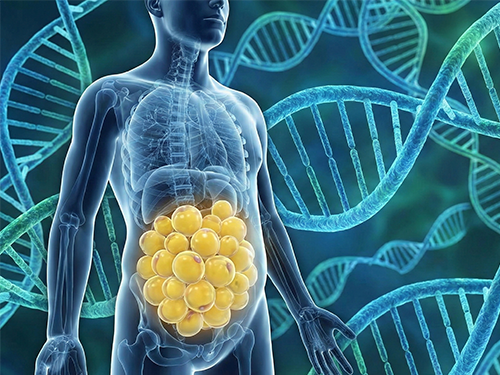 Discovery of a Switch to Halt Adipocyte Generation
< (From left) Dr. Ju-Gyeong Kang, Ph.D candidate TaeJun Seol, Professor Dae-Sik Lim >
Metabolic diseases such as obesity, fatty liver, and insulin resistance are rapidly increasing worldwide, but fundamental methods to regulate the process of fat formation remain limited. In particular, once adipocytes (fat cells) are formed, they are difficult to reduce, making treatment challenging. Amidst this, a research team from our university has discovered the existence of a ‘switch’ that prevents fat formation. This discovery elucidates how an ‘epigenetic switch’—which regulates gene activity without altering the DNA sequence itself—functions during the process of adipogenesis, presenting new possibilities for the precise control of obesity and metabolic diseases in the future.
The research team, led by Professor Dae-Sik Lim and Professor Ju-Gyeong Kang from KAIST’s Department of Biological Sciences, announced on January 25th that they have identified ‘YAP/TAZ,’ key regulators of the Hippo signaling pathway*, as playing the role of an ‘epigenetic differentiation inhibition switch’ during the process of adipocyte differentiation**. The team proposed a new mechanism in which YAP/TAZ extensively inhibits the activation of genes responsible for adipocyte formation through its downstream target, ‘VGLL3.’ *Hippo signaling pathway: A cellular control system that regulates when cells grow, stop dividing, and differentiate. **Adipocyte differentiation: The process by which preadipocytes (or stem cells) transform into mature adipocytes.
Cell differentiation is not a simple matter of a single gene turning on or off; it is a complex, organic process involving multiple genes and DNA regulatory regions. The research team tracked the entire process of preadipocytes* differentiating into adipocytes using Next-Generation Sequencing (NGS), which allows for the simultaneous analysis of gene expression changes and epigenetic modifications. *Preadipocyte: A developing intermediate-stage cell whose direction as to which cell it will become has already been determined.
As a result, they confirmed that under conditions where YAP/TAZ is activated, the genetic program that establishes adipocyte identity fails to operate, and the overall adipocyte differentiation network—centered around PPARγ*—is suppressed. *PPARγ: The ‘metabolic master switch’ regulator that controls energy storage and utilization in the body.
Specifically, through single-cell analysis of adipose tissue, the research team identified VGLL3 as a novel target gene of YAP/TAZ. While it was previously known that YAP/TAZ directly binds to and inhibits PPARγ, this study revealed that VGLL3 indirectly controls the entire adipocyte differentiation program by suppressing ‘enhancers,’ which are the DNA regulatory regions of adipocyte genes. This signifies that the Hippo signaling pathway plays a crucial role in regulating the core timing that determines when and how robustly fat cells are created.
Dysfunction of adipose tissue is deeply linked to various metabolic diseases such as obesity, insulin resistance, and fatty liver. The research team expects that further studies on how the YAP/TAZ–VGLL3–PPARγ axis regulatory principle involves adipocyte formation and functional abnormalities will provide new clues for regulating or treating metabolic diseases.
< Schematic Diagram of Adipocyte Gene Regulation >
Professor Dae-Sik Lim stated, “This study is the first to establish that adipocyte differentiation is precisely controlled at the epigenetic level, beyond simple gene regulation. It has laid an important foundation for a more sophisticated understanding of the mechanisms behind adipocyte identity changes and, in the long term, for developing personalized treatment strategies for patients with metabolic diseases.”
This research, with Ph.D. student TaeJun Seol and Dr. Ju-Gyeong Kang as co-first authors, was published on January 14th in the world-renowned international academic journal, Science Advances. ※ Paper Title: YAP/TAZ-VGLL3 governs adipocyte fate via epigenetic reprogramming of PPARγ and its target enhancers, DOI: 10.1126/sciadv.aea7235
Meanwhile, this research was conducted with support from the Leader Researcher Support Program and the Overseas Excellent Scientist Recruitment Program of the National Research Foundation of Korea, funded by the Ministry of Science and ICT.
2026.01.26 View 1812
Discovery of a Switch to Halt Adipocyte Generation
< (From left) Dr. Ju-Gyeong Kang, Ph.D candidate TaeJun Seol, Professor Dae-Sik Lim >
Metabolic diseases such as obesity, fatty liver, and insulin resistance are rapidly increasing worldwide, but fundamental methods to regulate the process of fat formation remain limited. In particular, once adipocytes (fat cells) are formed, they are difficult to reduce, making treatment challenging. Amidst this, a research team from our university has discovered the existence of a ‘switch’ that prevents fat formation. This discovery elucidates how an ‘epigenetic switch’—which regulates gene activity without altering the DNA sequence itself—functions during the process of adipogenesis, presenting new possibilities for the precise control of obesity and metabolic diseases in the future.
The research team, led by Professor Dae-Sik Lim and Professor Ju-Gyeong Kang from KAIST’s Department of Biological Sciences, announced on January 25th that they have identified ‘YAP/TAZ,’ key regulators of the Hippo signaling pathway*, as playing the role of an ‘epigenetic differentiation inhibition switch’ during the process of adipocyte differentiation**. The team proposed a new mechanism in which YAP/TAZ extensively inhibits the activation of genes responsible for adipocyte formation through its downstream target, ‘VGLL3.’ *Hippo signaling pathway: A cellular control system that regulates when cells grow, stop dividing, and differentiate. **Adipocyte differentiation: The process by which preadipocytes (or stem cells) transform into mature adipocytes.
Cell differentiation is not a simple matter of a single gene turning on or off; it is a complex, organic process involving multiple genes and DNA regulatory regions. The research team tracked the entire process of preadipocytes* differentiating into adipocytes using Next-Generation Sequencing (NGS), which allows for the simultaneous analysis of gene expression changes and epigenetic modifications. *Preadipocyte: A developing intermediate-stage cell whose direction as to which cell it will become has already been determined.
As a result, they confirmed that under conditions where YAP/TAZ is activated, the genetic program that establishes adipocyte identity fails to operate, and the overall adipocyte differentiation network—centered around PPARγ*—is suppressed. *PPARγ: The ‘metabolic master switch’ regulator that controls energy storage and utilization in the body.
Specifically, through single-cell analysis of adipose tissue, the research team identified VGLL3 as a novel target gene of YAP/TAZ. While it was previously known that YAP/TAZ directly binds to and inhibits PPARγ, this study revealed that VGLL3 indirectly controls the entire adipocyte differentiation program by suppressing ‘enhancers,’ which are the DNA regulatory regions of adipocyte genes. This signifies that the Hippo signaling pathway plays a crucial role in regulating the core timing that determines when and how robustly fat cells are created.
Dysfunction of adipose tissue is deeply linked to various metabolic diseases such as obesity, insulin resistance, and fatty liver. The research team expects that further studies on how the YAP/TAZ–VGLL3–PPARγ axis regulatory principle involves adipocyte formation and functional abnormalities will provide new clues for regulating or treating metabolic diseases.
< Schematic Diagram of Adipocyte Gene Regulation >
Professor Dae-Sik Lim stated, “This study is the first to establish that adipocyte differentiation is precisely controlled at the epigenetic level, beyond simple gene regulation. It has laid an important foundation for a more sophisticated understanding of the mechanisms behind adipocyte identity changes and, in the long term, for developing personalized treatment strategies for patients with metabolic diseases.”
This research, with Ph.D. student TaeJun Seol and Dr. Ju-Gyeong Kang as co-first authors, was published on January 14th in the world-renowned international academic journal, Science Advances. ※ Paper Title: YAP/TAZ-VGLL3 governs adipocyte fate via epigenetic reprogramming of PPARγ and its target enhancers, DOI: 10.1126/sciadv.aea7235
Meanwhile, this research was conducted with support from the Leader Researcher Support Program and the Overseas Excellent Scientist Recruitment Program of the National Research Foundation of Korea, funded by the Ministry of Science and ICT.
2026.01.26 View 1812 -
 KAIST detects ‘hidden defects’ that degrade semiconductor performance with 1,000× higher sensitivity
<(From Left) Professor Byungha Shin, Ph.D candidate Chaeyoun Kim, Dr. Oki Gunawan>
Semiconductors are used in devices such as memory chips and solar cells, and within them may exist invisible defects that interfere with electrical flow. A joint research team has developed a new analysis method that can detect these “hidden defects” (electronic traps) with approximately 1,000 times higher sensitivity than existing techniques. The technology is expected to improve semiconductor performance and lifetime, while significantly reducing development time and costs by enabling precise identification of defect sources.
KAIST (President Kwang Hyung Lee) announced on January 8th that a joint research team led by Professor Byungha Shin of the Department of Materials Science and Engineering at KAIST and Dr. Oki Gunawan of the IBM T. J. Watson Research Center has developed a new measurement technique that can simultaneously analyze defects that hinder electrical transport (electronic traps) and charge carrier transport properties inside semiconductors.
Within semiconductors, electronic traps can exist that capture electrons and hinder their movement. When electrons are trapped, electrical current cannot flow smoothly, leading to leakage currents and degraded device performance. Therefore, accurately evaluating semiconductor performance requires determining how many electronic traps are present and how strongly they capture electrons.
The research team focused on Hall measurements, a technique that has long been used in semiconductor analysis. Hall measurements analyze electron motion using electric and magnetic fields. By adding controlled light illumination and temperature variation to this method, the team succeeded in extracting information that was difficult to obtain using conventional approaches.
Under weak illumination, newly generated electrons are first captured by electronic traps. As the light intensity is gradually increased, the traps become filled, and subsequently generated electrons begin to move freely. By analyzing this transition process, the researchers were able to precisely calculate the density and characteristics of electronic traps.
The greatest advantage of this method is that multiple types of information can be obtained simultaneously from a single measurement. It allows not only the evaluation of how fast electrons move, how long they survive, and how far they travel, but also the properties of traps that interfere with electron transport.
The team first validated the accuracy of the technique using silicon semiconductors and then applied it to perovskites, which are attracting attention as next-generation solar cell materials. As a result, they successfully detected extremely small quantities of electronic traps that were difficult to identify using existing methods—demonstrating a sensitivity approximately 1,000 times higher than that of conventional techniques.
< Conceptual Diagram of the Evolution of Hall Characterization (Analysis) Techniques >
Professor Byungha Shin stated, “This study presents a new method that enables simultaneous analysis of electrical transport and the factors that hinder it within semiconductors using a single measurement,” adding that “it will serve as an important tool for improving the performance and reliability of various semiconductor devices, including memory semiconductors and solar cells.”
The results of this research were published on January 1 in Science Advances, an international academic journal, with Chaeyoun Kim, a doctoral student in the Department of Materials Science and Engineering, as the first author.
※ Paper title: “Electronic trap detection with carrier-resolved photo-Hall effect,” DOI: https://doi.org/10.1126/sciadv.adz0460
This research was supported by the Ministry of Science and ICT and the National Research Foundation of Korea.
< Conceptual Diagram of Charge Transport and Trap Characterization Using Photo-Hall Measurements (AI-generated image) >
2026.01.08 View 2208
KAIST detects ‘hidden defects’ that degrade semiconductor performance with 1,000× higher sensitivity
<(From Left) Professor Byungha Shin, Ph.D candidate Chaeyoun Kim, Dr. Oki Gunawan>
Semiconductors are used in devices such as memory chips and solar cells, and within them may exist invisible defects that interfere with electrical flow. A joint research team has developed a new analysis method that can detect these “hidden defects” (electronic traps) with approximately 1,000 times higher sensitivity than existing techniques. The technology is expected to improve semiconductor performance and lifetime, while significantly reducing development time and costs by enabling precise identification of defect sources.
KAIST (President Kwang Hyung Lee) announced on January 8th that a joint research team led by Professor Byungha Shin of the Department of Materials Science and Engineering at KAIST and Dr. Oki Gunawan of the IBM T. J. Watson Research Center has developed a new measurement technique that can simultaneously analyze defects that hinder electrical transport (electronic traps) and charge carrier transport properties inside semiconductors.
Within semiconductors, electronic traps can exist that capture electrons and hinder their movement. When electrons are trapped, electrical current cannot flow smoothly, leading to leakage currents and degraded device performance. Therefore, accurately evaluating semiconductor performance requires determining how many electronic traps are present and how strongly they capture electrons.
The research team focused on Hall measurements, a technique that has long been used in semiconductor analysis. Hall measurements analyze electron motion using electric and magnetic fields. By adding controlled light illumination and temperature variation to this method, the team succeeded in extracting information that was difficult to obtain using conventional approaches.
Under weak illumination, newly generated electrons are first captured by electronic traps. As the light intensity is gradually increased, the traps become filled, and subsequently generated electrons begin to move freely. By analyzing this transition process, the researchers were able to precisely calculate the density and characteristics of electronic traps.
The greatest advantage of this method is that multiple types of information can be obtained simultaneously from a single measurement. It allows not only the evaluation of how fast electrons move, how long they survive, and how far they travel, but also the properties of traps that interfere with electron transport.
The team first validated the accuracy of the technique using silicon semiconductors and then applied it to perovskites, which are attracting attention as next-generation solar cell materials. As a result, they successfully detected extremely small quantities of electronic traps that were difficult to identify using existing methods—demonstrating a sensitivity approximately 1,000 times higher than that of conventional techniques.
< Conceptual Diagram of the Evolution of Hall Characterization (Analysis) Techniques >
Professor Byungha Shin stated, “This study presents a new method that enables simultaneous analysis of electrical transport and the factors that hinder it within semiconductors using a single measurement,” adding that “it will serve as an important tool for improving the performance and reliability of various semiconductor devices, including memory semiconductors and solar cells.”
The results of this research were published on January 1 in Science Advances, an international academic journal, with Chaeyoun Kim, a doctoral student in the Department of Materials Science and Engineering, as the first author.
※ Paper title: “Electronic trap detection with carrier-resolved photo-Hall effect,” DOI: https://doi.org/10.1126/sciadv.adz0460
This research was supported by the Ministry of Science and ICT and the National Research Foundation of Korea.
< Conceptual Diagram of Charge Transport and Trap Characterization Using Photo-Hall Measurements (AI-generated image) >
2026.01.08 View 2208 -
 Breaking Performance Barriers of All Solid State Batteries
< (Bottom, from left) Professor Dong-Hwa Seo, Researcher Jae-Seung Kim, (Top, from left) Professor Kyung-Wan Nam, Professor Sung-Kyun Jung, Professor Youn-Seok Jung >
Batteries are an essential technology in modern society, powering smartphones and electric vehicles, yet they face limitations such as fire explosion risks and high costs. While all-solid-state batteries have garnered attention as a viable alternative, it has been difficult to simultaneously satisfy safety, performance, and cost. Recently, a Korean research team successfully improved the performance of all-solid-state batteries simply through structural design—without adding expensive metals.
KAIST announced on January 7th that a research team led by Professor Dong-Hwa Seo from the Department of Materials Science and Engineering, in collaboration with teams led by Professor Sung-Kyun Jung (Seoul National University), Professor Youn-Suk Jung (Yonsei University), and Professor Kyung-Wan Nam (Dongguk University), has developed a design method for core materials for all-solid-state batteries that uses low-cost raw materials while ensuring high performance and low risk of fire or explosion.
Conventional batteries rely on lithium ions moving through a liquid electrolyte. In contrast, all-solid-state batteries use a solid electrolyte. While this makes them safer, achieving rapid lithium-ion movement within a solid has typically required expensive metals or complex manufacturing processes.
To create efficient pathways for lithium-ion transport within the solid electrolyte, the research team focused on "divalent anions" such as oxygen and sulfur . Divalent anions play a crucial role in altering the crystal structure by integrating into the basic framework of the electrolyte.
The team developed a technology to precisely control the internal structure of low-cost zirconium (Zr)-based halide solid electrolytes by introducing these divalent anions. This design principle, termed the "Framework Regulation Mechanism," widens the pathways for lithium ions and lowers the energy barriers they encounter during transport. By adjusting the bonding environment and crystal structure around the lithium ions, the team enabled faster and easier movement.
To verify these structural changes, the researchers utilized various high-precision analysis techniques, including:
High-energy Synchrontron X-ray diffraction(Synchrotron XRD)
Pair Distribution Function (PDF) analysis
X-ray Absorption Spectroscopy (XAS)
Density Functional Theory (DFT) modeling for electronic structure and diffusion.
The results showed that electrolytes incorporating oxygen or sulfur improved lithium-ion mobility by 2 to 4 times compared to conventional zirconium-based electrolytes. This signifies that performance levels suitable for practical all-solid-state battery applications can be achieved using inexpensive materials.
Specifically, the ionic conductivity at room temperature was measured at approximately 1.78 mS/cm for the oxygen-doped electrolyte and 1.01 mS/cm for the sulfur-doped electrolyte. Ionic conductivity indicates how quickly and smoothly lithium ions move; a value above 1 mS/cm is generally considered sufficient for practical battery applications at room temperature.
< Structural Regulation Mechanism of Zr-based Halide Electrolytes via Divalent Anion Introduction >
< Atomic Rearrangement of Solid Electrolyte for All-Solid-State Batteries (AI-generated image) >
Professor Dong-Hwa Seo stated, "Through this research, we have presented a design principle that can simultaneously improve the cost and performance of all-solid-state batteries using cheap raw materials. Its potential for industrial application is very high." Lead author Jae-Seung Kim added that the study shifts the focus from "what materials to use" to "how to design them" in the development of battery materials.
This study, with Jae-Seung Kim (KAIST) and Da-Seul Han (Dongguk University) as co-first authors, was published in the international journal Nature Communications on November 27, 2025.
Paper Title: Divalent anion-driven framework regulation in Zr-based halide solid electrolytes for all-solid-state batteries
DOI: https://www.nature.com/articles/s41467-025-65702-2
This research was supported by the Samsung Electronics Future Technology Promotion Center, the National Research Foundation of Korea, and the National Supercomputing Center.
2026.01.07 View 5054
Breaking Performance Barriers of All Solid State Batteries
< (Bottom, from left) Professor Dong-Hwa Seo, Researcher Jae-Seung Kim, (Top, from left) Professor Kyung-Wan Nam, Professor Sung-Kyun Jung, Professor Youn-Seok Jung >
Batteries are an essential technology in modern society, powering smartphones and electric vehicles, yet they face limitations such as fire explosion risks and high costs. While all-solid-state batteries have garnered attention as a viable alternative, it has been difficult to simultaneously satisfy safety, performance, and cost. Recently, a Korean research team successfully improved the performance of all-solid-state batteries simply through structural design—without adding expensive metals.
KAIST announced on January 7th that a research team led by Professor Dong-Hwa Seo from the Department of Materials Science and Engineering, in collaboration with teams led by Professor Sung-Kyun Jung (Seoul National University), Professor Youn-Suk Jung (Yonsei University), and Professor Kyung-Wan Nam (Dongguk University), has developed a design method for core materials for all-solid-state batteries that uses low-cost raw materials while ensuring high performance and low risk of fire or explosion.
Conventional batteries rely on lithium ions moving through a liquid electrolyte. In contrast, all-solid-state batteries use a solid electrolyte. While this makes them safer, achieving rapid lithium-ion movement within a solid has typically required expensive metals or complex manufacturing processes.
To create efficient pathways for lithium-ion transport within the solid electrolyte, the research team focused on "divalent anions" such as oxygen and sulfur . Divalent anions play a crucial role in altering the crystal structure by integrating into the basic framework of the electrolyte.
The team developed a technology to precisely control the internal structure of low-cost zirconium (Zr)-based halide solid electrolytes by introducing these divalent anions. This design principle, termed the "Framework Regulation Mechanism," widens the pathways for lithium ions and lowers the energy barriers they encounter during transport. By adjusting the bonding environment and crystal structure around the lithium ions, the team enabled faster and easier movement.
To verify these structural changes, the researchers utilized various high-precision analysis techniques, including:
High-energy Synchrontron X-ray diffraction(Synchrotron XRD)
Pair Distribution Function (PDF) analysis
X-ray Absorption Spectroscopy (XAS)
Density Functional Theory (DFT) modeling for electronic structure and diffusion.
The results showed that electrolytes incorporating oxygen or sulfur improved lithium-ion mobility by 2 to 4 times compared to conventional zirconium-based electrolytes. This signifies that performance levels suitable for practical all-solid-state battery applications can be achieved using inexpensive materials.
Specifically, the ionic conductivity at room temperature was measured at approximately 1.78 mS/cm for the oxygen-doped electrolyte and 1.01 mS/cm for the sulfur-doped electrolyte. Ionic conductivity indicates how quickly and smoothly lithium ions move; a value above 1 mS/cm is generally considered sufficient for practical battery applications at room temperature.
< Structural Regulation Mechanism of Zr-based Halide Electrolytes via Divalent Anion Introduction >
< Atomic Rearrangement of Solid Electrolyte for All-Solid-State Batteries (AI-generated image) >
Professor Dong-Hwa Seo stated, "Through this research, we have presented a design principle that can simultaneously improve the cost and performance of all-solid-state batteries using cheap raw materials. Its potential for industrial application is very high." Lead author Jae-Seung Kim added that the study shifts the focus from "what materials to use" to "how to design them" in the development of battery materials.
This study, with Jae-Seung Kim (KAIST) and Da-Seul Han (Dongguk University) as co-first authors, was published in the international journal Nature Communications on November 27, 2025.
Paper Title: Divalent anion-driven framework regulation in Zr-based halide solid electrolytes for all-solid-state batteries
DOI: https://www.nature.com/articles/s41467-025-65702-2
This research was supported by the Samsung Electronics Future Technology Promotion Center, the National Research Foundation of Korea, and the National Supercomputing Center.
2026.01.07 View 5054 -
 Mathematicians Solve Cellular Noise, a Long-standing Challenge in Biology
< (From left) Researcher Dongju Lim, Researcher Seokhwan Moon, Professor Jae Kyoung Kim (KAIST), Professor Jinsu Kim (POSTECH), Professor Byung-Kwan Cho (KAIST) >
Why does cancer sometimes recur even after successful treatment, or why do some bacteria survive despite the use of powerful antibiotics? One of the key culprits identified is "Biological Noise"—random fluctuations occurring inside cells. Even when cells share the same genes, the amount of protein varies in each, creating "outliers" that evade drug treatments and survive. Until now, scientists could only control the average values of cell populations; controlling the irregular variability of individual cells remained a long-standing challenge.
A joint research team—led by Professor Jae Kyoung Kim (Department of Mathematical Sciences, KAIST), Professor Jinsu Kim (Department of Mathematics, POSTECH), and Professor Byung-Kwan Cho (Graduate School of Engineering Biology, KAIST)—has theoretically established a "Noise Control Principle." Through mathematical modeling, they have found a way to eliminate biological noise and precisely govern cellular destiny. This achievement in securing precision control technology at the single-cell level is expected to be a new milestone in solving challenges in cancer treatment and synthetic biology.
While cells in our bodies strive to maintain homeostasis for survival, their internal environments are constantly changing. Existing genetic circuit technologies could regulate the average protein levels of a cell population but often ended up amplifying the "noise"—the variance between individual cells. The research team compared this to a "shower that fluctuates between boiling and freezing." Even if the average water temperature is set to 40°C, a normal shower is impossible if the water alternates between scalding and icy. Similarly, a small number of cells that escape control due to this "trap of the average" become the primary cause of cancer recurrence or antibiotic resistance. To solve this, the team devised a new mathematical model called the "Noise Controller (NC)."
The researchers first investigated whether they could control the variance of outputs—which differs from cell to cell—using a "dimerization reaction," where the final products of a system bind together to form pairs. In the process, they confirmed that the dimerization reaction could act as a sensor to detect fluctuations (noise) in the cellular state. However, initial attempts showed that this method alone had limits in reducing differences between cells. Consequently, they determined that a device was needed to immediately reduce substances if they were overproduced. They combined this with a "degradation-based actuation" principle, which promptly breaks down proteins when they become excessive. As a result, they theoretically implemented "Noise Robust Perfect Adaptation (Noise RPA)," which maintains a constant noise level despite external environmental changes. Through this, they succeeded in suppressing cell-to-cell deviation to a Fano factor of 1—the minimum level achievable by universal biological systems.
< Figure 1. Conceptual Diagram of Noise Controller (NC) Effects: When no control technology is used (top, gray), the average value of the cell population changes due to external stimuli. With existing control technology (middle, blue), the average value is maintained, but the deviation between individual cells (noise) remains large. In contrast, using the Noise Controller (bottom, green) maintains the average while also reducing the noise level of individual cells. >
The research team proved the model's performance by virtually applying it to the DNA repair system of E. coli. In the existing system, the amount of DNA-repairing proteins varied so greatly between cells that approximately 20% of the cells failed to repair and died. However, by applying the Noise Controller (NC) to unify protein levels across all cells, the mortality rate was slashed to 7%. The team significantly boosted cell survival rates through sophisticated mathematical principles alone. This is highly significant as it moves beyond the "average control" paradigm to realize "single-cell control," dealing with each cell with precision.
< Figure 2. Structure of the Noise Controller (NC).In the conventional control scheme (left), the final output (X2) produces one of the controller proteins (Z2), and this protein is degraded together with the other controller protein (Z1) that generates the system input (X1).In contrast, the noise controller (NC) established in this study (right) has a largely similar structure, but is characterized by the production of the controller protein (Z4) through a dimerization reaction of the final output. This protein directly degrades the system input (X1).Through this mechanism, mathematical expressions for the mean of the final output (lower left equation) and its noise (lower right equation) can be derived >
Professor Jae Kyoung Kim, who led the research, stated, "The significance lies in bringing cellular noise—which was previously dismissed as luck or coincidence in biological phenomena—into the realm of controllable factors through mathematical design." He added, "It will play a vital role in fields requiring precise cellular control, such as overcoming cancer treatment resistance and developing high-efficiency smart microorganisms." Co-corresponding author Professor Jinsu Kim of POSTECH emphasized, "This research demonstrates the power of mathematical modeling, starting from theoretical formulas of intracellular noise using reaction network theory and leading to the design of actual biological mechanisms."
< Figure 3. Actual Biological Circuit Structure of the Noise Controller (NC): A representation of the mathematical model established by the research team implemented as a genetic circuit, which is an actual biological system. The existing control technology (left) consists of a reaction where the final product produces an anti-sigma factor (RsiW), which then binds with the sigma factor (SigW) that generates the system’s input value. The Noise Controller (NC) (right) similarly utilizes the binding reaction between an anti-sigma factor (RseA) and a sigma factor (ECF); however, the primary differences are that the anti-sigma factor (RseA) is produced through the dimerization reaction of the final product , and that the anti-sigma factor (RseA) directly degrades the system’s input value >
The results of this study were published on December 24 in the international academic journal Nature Communications (IF=15.7).
2025.12.29 View 2252
Mathematicians Solve Cellular Noise, a Long-standing Challenge in Biology
< (From left) Researcher Dongju Lim, Researcher Seokhwan Moon, Professor Jae Kyoung Kim (KAIST), Professor Jinsu Kim (POSTECH), Professor Byung-Kwan Cho (KAIST) >
Why does cancer sometimes recur even after successful treatment, or why do some bacteria survive despite the use of powerful antibiotics? One of the key culprits identified is "Biological Noise"—random fluctuations occurring inside cells. Even when cells share the same genes, the amount of protein varies in each, creating "outliers" that evade drug treatments and survive. Until now, scientists could only control the average values of cell populations; controlling the irregular variability of individual cells remained a long-standing challenge.
A joint research team—led by Professor Jae Kyoung Kim (Department of Mathematical Sciences, KAIST), Professor Jinsu Kim (Department of Mathematics, POSTECH), and Professor Byung-Kwan Cho (Graduate School of Engineering Biology, KAIST)—has theoretically established a "Noise Control Principle." Through mathematical modeling, they have found a way to eliminate biological noise and precisely govern cellular destiny. This achievement in securing precision control technology at the single-cell level is expected to be a new milestone in solving challenges in cancer treatment and synthetic biology.
While cells in our bodies strive to maintain homeostasis for survival, their internal environments are constantly changing. Existing genetic circuit technologies could regulate the average protein levels of a cell population but often ended up amplifying the "noise"—the variance between individual cells. The research team compared this to a "shower that fluctuates between boiling and freezing." Even if the average water temperature is set to 40°C, a normal shower is impossible if the water alternates between scalding and icy. Similarly, a small number of cells that escape control due to this "trap of the average" become the primary cause of cancer recurrence or antibiotic resistance. To solve this, the team devised a new mathematical model called the "Noise Controller (NC)."
The researchers first investigated whether they could control the variance of outputs—which differs from cell to cell—using a "dimerization reaction," where the final products of a system bind together to form pairs. In the process, they confirmed that the dimerization reaction could act as a sensor to detect fluctuations (noise) in the cellular state. However, initial attempts showed that this method alone had limits in reducing differences between cells. Consequently, they determined that a device was needed to immediately reduce substances if they were overproduced. They combined this with a "degradation-based actuation" principle, which promptly breaks down proteins when they become excessive. As a result, they theoretically implemented "Noise Robust Perfect Adaptation (Noise RPA)," which maintains a constant noise level despite external environmental changes. Through this, they succeeded in suppressing cell-to-cell deviation to a Fano factor of 1—the minimum level achievable by universal biological systems.
< Figure 1. Conceptual Diagram of Noise Controller (NC) Effects: When no control technology is used (top, gray), the average value of the cell population changes due to external stimuli. With existing control technology (middle, blue), the average value is maintained, but the deviation between individual cells (noise) remains large. In contrast, using the Noise Controller (bottom, green) maintains the average while also reducing the noise level of individual cells. >
The research team proved the model's performance by virtually applying it to the DNA repair system of E. coli. In the existing system, the amount of DNA-repairing proteins varied so greatly between cells that approximately 20% of the cells failed to repair and died. However, by applying the Noise Controller (NC) to unify protein levels across all cells, the mortality rate was slashed to 7%. The team significantly boosted cell survival rates through sophisticated mathematical principles alone. This is highly significant as it moves beyond the "average control" paradigm to realize "single-cell control," dealing with each cell with precision.
< Figure 2. Structure of the Noise Controller (NC).In the conventional control scheme (left), the final output (X2) produces one of the controller proteins (Z2), and this protein is degraded together with the other controller protein (Z1) that generates the system input (X1).In contrast, the noise controller (NC) established in this study (right) has a largely similar structure, but is characterized by the production of the controller protein (Z4) through a dimerization reaction of the final output. This protein directly degrades the system input (X1).Through this mechanism, mathematical expressions for the mean of the final output (lower left equation) and its noise (lower right equation) can be derived >
Professor Jae Kyoung Kim, who led the research, stated, "The significance lies in bringing cellular noise—which was previously dismissed as luck or coincidence in biological phenomena—into the realm of controllable factors through mathematical design." He added, "It will play a vital role in fields requiring precise cellular control, such as overcoming cancer treatment resistance and developing high-efficiency smart microorganisms." Co-corresponding author Professor Jinsu Kim of POSTECH emphasized, "This research demonstrates the power of mathematical modeling, starting from theoretical formulas of intracellular noise using reaction network theory and leading to the design of actual biological mechanisms."
< Figure 3. Actual Biological Circuit Structure of the Noise Controller (NC): A representation of the mathematical model established by the research team implemented as a genetic circuit, which is an actual biological system. The existing control technology (left) consists of a reaction where the final product produces an anti-sigma factor (RsiW), which then binds with the sigma factor (SigW) that generates the system’s input value. The Noise Controller (NC) (right) similarly utilizes the binding reaction between an anti-sigma factor (RseA) and a sigma factor (ECF); however, the primary differences are that the anti-sigma factor (RseA) is produced through the dimerization reaction of the final product , and that the anti-sigma factor (RseA) directly degrades the system’s input value >
The results of this study were published on December 24 in the international academic journal Nature Communications (IF=15.7).
2025.12.29 View 2252 -
 The World's Smallest Fully Wireless Neural Implant Achieved
< (From left) Sunwoo Lee, KAIST Joint Professor, Alyosha Molnar, Cornell University Professor >
The human brain contains about 100 billion brain cells, and the chemical and electrical signals they exchange create most mental functions. Neural implant technology for precisely reading these signals is essential for the research and treatment of neurodegenerative diseases. A research team from KAIST and international collaborators has successfully implemented a fully wireless, ultra-small implant, which was previously only a theoretical possibility, going beyond simple miniaturization and weight reduction of neural implants.
KAIST announced on the November 27th that a joint research team led by Professor Sunwoo Lee (Joint Professor in Materials Science and Engineering at KAIST and from the School of Electrical and Electronic Engineering at Nanyang Technological University, NTU) and Professor Alyosha Molnar's team from Cornell University in the US has developed 'MOTE (Micro-Scale Opto-Electronic Tetherless Electrode)', an ultra-small wireless neural implant less than 100 micrometers (µm) — smaller than a grain of salt. The team successfully implanted this device into the brains of laboratory mice and stably measured brain waves for one year.
In the brain, invisible, minute electrical signals constantly move, creating our various mental activities such as memory, judgment, and emotion. The technology to directly measure these signals outside the body without connecting wires has been highlighted as key for brain research and the treatment of neurological disorders like dementia and Parkinson's disease.
However, existing implants have limitations: their thick wired structure causes movement in the brain, leading to inflammation and signal degradation over time, and their size and heat generation restrict long-term use.
To overcome these limitations, the research team created an ultra-small circuit based on the existing semiconductor process (CMOS) and combined it with their self-developed ultra-fine Micro-LEDs (µLEDs) to drastically miniaturize the device. They also applied a special surface coating to significantly enhance durability, allowing it to withstand the biological environment for a long time.
The resulting MOTE is less than 100 µm thick and has a volume of less than 1 nanoliter, making it thinner than a human hair and smaller than a grain of salt, the world's smallest level among currently reported wireless neural implants.
Another key feature of MOTE is that it is a fully wireless system that requires no battery. The device is structured to receive external light to generate power, detect brain waves, and then transmit the information back outside embedded in the light signal using Pulse Position Modulation (PPM).
This method drastically reduces energy consumption, minimizes the risk of heat generation, and eliminates the need for battery replacement, enabling long-term use.
The research team conducted a one-year long-term experiment by implanting the ultra-small MOTE into the brains of mice. The results showed normal brain wave measurement over the extended period, with almost no inflammation observed around the implant and no degradation in device performance.
This is considered the first clear demonstration that an ultra-small wireless implant can maintain normal function for a prolonged time inside a living body.
< MOTE neural implant on a salt crystal (left), MOTE neural implants after 296 days of implantation in a laboratory mouse (right) >
Professor Sunwoo Lee stated, "The greatest significance of the newly developed neural implant lies in its actual implementation of a fully wireless, ultra-small implant that was previously only anticipated as a possibility, going beyond simple miniaturization and weight reduction." He added, "This proves the technological possibility of resolving not only the known unknowns raised during the development and use of wireless neural implants, but also the unknown unknowns that newly emerge during the actual development process."
He further added, "This technology will be broadly applicable not only to brain science research but also to nervous system disease monitoring and the development of long-term recording-based treatment technologies."
The research results were published online in the prestigious journal Nature Electronics on November 3rd. ※ Paper Title: A subnanolitre tetherless optoelectronic microsystem for chronic neural recording in awake mice, DOI: https://doi.org/10.1038/s41928-025-01484-1
This research was supported by the US National Institutes of Health (NIH), Nanyang Technological University (Singapore), the Singapore National Research Foundation, the Singapore Ministry of Education, and the ASPIRE League Partnership Seed Fund 2024. The specialized fabrication processes were conducted at the Cornell NanoScale Facility (part of the US National Nanotechnology Coordinated Infrastructure, NNCI) and NTU's Nanyang NanoFabrication Centre.
2025.11.27 View 2659
The World's Smallest Fully Wireless Neural Implant Achieved
< (From left) Sunwoo Lee, KAIST Joint Professor, Alyosha Molnar, Cornell University Professor >
The human brain contains about 100 billion brain cells, and the chemical and electrical signals they exchange create most mental functions. Neural implant technology for precisely reading these signals is essential for the research and treatment of neurodegenerative diseases. A research team from KAIST and international collaborators has successfully implemented a fully wireless, ultra-small implant, which was previously only a theoretical possibility, going beyond simple miniaturization and weight reduction of neural implants.
KAIST announced on the November 27th that a joint research team led by Professor Sunwoo Lee (Joint Professor in Materials Science and Engineering at KAIST and from the School of Electrical and Electronic Engineering at Nanyang Technological University, NTU) and Professor Alyosha Molnar's team from Cornell University in the US has developed 'MOTE (Micro-Scale Opto-Electronic Tetherless Electrode)', an ultra-small wireless neural implant less than 100 micrometers (µm) — smaller than a grain of salt. The team successfully implanted this device into the brains of laboratory mice and stably measured brain waves for one year.
In the brain, invisible, minute electrical signals constantly move, creating our various mental activities such as memory, judgment, and emotion. The technology to directly measure these signals outside the body without connecting wires has been highlighted as key for brain research and the treatment of neurological disorders like dementia and Parkinson's disease.
However, existing implants have limitations: their thick wired structure causes movement in the brain, leading to inflammation and signal degradation over time, and their size and heat generation restrict long-term use.
To overcome these limitations, the research team created an ultra-small circuit based on the existing semiconductor process (CMOS) and combined it with their self-developed ultra-fine Micro-LEDs (µLEDs) to drastically miniaturize the device. They also applied a special surface coating to significantly enhance durability, allowing it to withstand the biological environment for a long time.
The resulting MOTE is less than 100 µm thick and has a volume of less than 1 nanoliter, making it thinner than a human hair and smaller than a grain of salt, the world's smallest level among currently reported wireless neural implants.
Another key feature of MOTE is that it is a fully wireless system that requires no battery. The device is structured to receive external light to generate power, detect brain waves, and then transmit the information back outside embedded in the light signal using Pulse Position Modulation (PPM).
This method drastically reduces energy consumption, minimizes the risk of heat generation, and eliminates the need for battery replacement, enabling long-term use.
The research team conducted a one-year long-term experiment by implanting the ultra-small MOTE into the brains of mice. The results showed normal brain wave measurement over the extended period, with almost no inflammation observed around the implant and no degradation in device performance.
This is considered the first clear demonstration that an ultra-small wireless implant can maintain normal function for a prolonged time inside a living body.
< MOTE neural implant on a salt crystal (left), MOTE neural implants after 296 days of implantation in a laboratory mouse (right) >
Professor Sunwoo Lee stated, "The greatest significance of the newly developed neural implant lies in its actual implementation of a fully wireless, ultra-small implant that was previously only anticipated as a possibility, going beyond simple miniaturization and weight reduction." He added, "This proves the technological possibility of resolving not only the known unknowns raised during the development and use of wireless neural implants, but also the unknown unknowns that newly emerge during the actual development process."
He further added, "This technology will be broadly applicable not only to brain science research but also to nervous system disease monitoring and the development of long-term recording-based treatment technologies."
The research results were published online in the prestigious journal Nature Electronics on November 3rd. ※ Paper Title: A subnanolitre tetherless optoelectronic microsystem for chronic neural recording in awake mice, DOI: https://doi.org/10.1038/s41928-025-01484-1
This research was supported by the US National Institutes of Health (NIH), Nanyang Technological University (Singapore), the Singapore National Research Foundation, the Singapore Ministry of Education, and the ASPIRE League Partnership Seed Fund 2024. The specialized fabrication processes were conducted at the Cornell NanoScale Facility (part of the US National Nanotechnology Coordinated Infrastructure, NNCI) and NTU's Nanyang NanoFabrication Centre.
2025.11.27 View 2659 -
 KAIST to Usher in an Era of Nationwide Science Culture: KSOP, OPEN KAIST, and AI Academy
< 2025 OPEN KAIST (Demonstration of the cluster systems and AI drone program conducted in Prof. Il-Chul Moon’s Lab, Department of Industrial & Systems Engineering)>
KAIST announced on November 25th that it is operating the 'Science Education Sharing (KSOP),' 'OPEN KAIST,' and 'KAIST-style IT/AI Academy for the General Public, social contribution programs based on science popularization,in line with the government's policy to spread science culture. Through these initiatives, KAIST is nurturing future science and technology talent and contributing to the popularization of science culture.
KAIST President Kwang Hyung Lee stated, “Under the mission of 'a university that contributes to humanity and society through science and technology,' KAIST is creating a ladder of opportunity through education sharing,” adding, “KSOP and OPEN KAIST are core KAIST programs that help all children dream of becoming scientists, regardless of their economic or regional circumstances. KAIST will continue to actively communicate with the general public and contribute to strengthening national competitiveness in science and technology by pursuing warm science, inclusive education, and a sustainable science culture ecosystem that goes beyond cutting-edge science and technology.”
■ KSOP for Science-Gifted Students from Underprivileged Backgrounds: 8,000 Beneficiaries in 10 Years, 70% Enrollment in STEM Fields
KSOP, operated by the Science Gifted Education Research Institute, is a representative science-sharing program. It selects students with potential in mathematics and science from socially disadvantaged youth and provides direct mentoring by current KAIST undergraduate and graduate students.
Starting with 250 students in 2015, the program expanded to approximately 1,000 participants annually starting in 2022, with a cumulative total of about 8,000 participants by 2025. It has achieved tangible results, with over 70% of graduates advancing into STEM fields, and a knowledge circulation structure has become established where graduates return as mentors.
Creative science education volunteer work has been conducted in underserved areas such as Jeju, Mokpo, and Andong, in addition to Daejeon, Sejong, and Hwaseong, contributing to the alleviation of educational disparities between regions. In particular, the program where mentees teach elementary school students has been cited as a prime example of KAIST's science culture diffusion.
One KSOP graduate who advanced to KAIST and is now been a mentor for five years shared, “Through mentoring, I feel the true value of sharing and service, as well as an inexpressible sense of pride and accomplishment.”
Furthermore, family-unit programs, including parent information sessions, family camps, and counseling support, have strengthened students' emotional and career support. In 2025, the fifth family camp was held, further broadening participation.
'KSOP FRIENDS,' centered on graduates and mentors, has established a virtuous cycle ecosystem connecting scholarships, mentoring, and donations. This initiative has expanded and developed into the 'Daddy-Long-Legs Project,' a representative small-sum regular donation program in which the public can participate.
< KSOP Jeju Island Educational Volunteer Group Photo >
< KSOP Scholarship Award >
■ ‘OPEN KAIST 2025’ to Meet KAIST Laboratories: Record-Breaking Number of Visitors
OPEN KAIST, KAIST's flagship science culture event that opens laboratories and the campus to the public every two years, recorded its highest ever attendance in 2025, with the number of visitors increasing more than fourfold compared to 2023. In particular, the lab tours garnered high interest, with long waiting lists for pre-registration. An elementary school participant commented, “The earthquake research lab tour was so fascinating and very helpful for answering my questions.” Recognizing that some participation was difficult due to the larger-than-expected number of visitors, KAIST announced plans to expand participation opportunities and improve operations in the future.
■ Cultivating Digital Talent through Short-Term Non-Degree IT/Semiconductor Courses for the General Public
The 'KAIST IT Academy' for military personnel is a non-degree program that provides practical, basic training in AI, computer science, and programming, involving KAIST graduate students as instructors. Operated both online and offline, approximately 1,000 trainees participate annually.
The 'SW Academy (Jungle),' a KAIST non-degree software education course, has become a successful model for nurturing young SW talent, with a cumulative 308 people completing the course between 2021 and 2024. Major employers include Naver, Krafton, Team Sparta, Nearthlab, and Woowa Brothers. Jungle trains developers who can be immediately deployed in practical work through hands-on programming education, mentoring by active developers, and planning/design feedback.
Based on the excellence of the Jungle program, Krafton launched and has been operating 'Krafton Jungle' since 2022. This is a social contribution activity by a company founded by KAIST alumnus Chairman Byung-Gyu Jang and is regarded as a prime example of KAIST's talent nurturing model spreading to the private sector.
Furthermore, the KAIST IDEC (IC Design Education Center) trains 240 young people annually as semiconductor design experts through the nurturing of semiconductor design talent, facilitating their entry into the industry.
■ Strengthening National Competitiveness by Building a Future Talent Ecosystem
KSOP received international recognition for its excellence in 2024 by winning the Best Program Award and Best Researcher Award at the Asia-Pacific Conference on Giftedness (APCG).
KAIST is further expanding its future talent platform by launching 'Junior KAIST' in 2025, a science, mathematics, and AI exploration program for youth. KAIST plans to continue strengthening its role as a public research university that grows with the nation through science and technology-based social contribution and the nurturing of future talent.
2025.11.25 View 2596
KAIST to Usher in an Era of Nationwide Science Culture: KSOP, OPEN KAIST, and AI Academy
< 2025 OPEN KAIST (Demonstration of the cluster systems and AI drone program conducted in Prof. Il-Chul Moon’s Lab, Department of Industrial & Systems Engineering)>
KAIST announced on November 25th that it is operating the 'Science Education Sharing (KSOP),' 'OPEN KAIST,' and 'KAIST-style IT/AI Academy for the General Public, social contribution programs based on science popularization,in line with the government's policy to spread science culture. Through these initiatives, KAIST is nurturing future science and technology talent and contributing to the popularization of science culture.
KAIST President Kwang Hyung Lee stated, “Under the mission of 'a university that contributes to humanity and society through science and technology,' KAIST is creating a ladder of opportunity through education sharing,” adding, “KSOP and OPEN KAIST are core KAIST programs that help all children dream of becoming scientists, regardless of their economic or regional circumstances. KAIST will continue to actively communicate with the general public and contribute to strengthening national competitiveness in science and technology by pursuing warm science, inclusive education, and a sustainable science culture ecosystem that goes beyond cutting-edge science and technology.”
■ KSOP for Science-Gifted Students from Underprivileged Backgrounds: 8,000 Beneficiaries in 10 Years, 70% Enrollment in STEM Fields
KSOP, operated by the Science Gifted Education Research Institute, is a representative science-sharing program. It selects students with potential in mathematics and science from socially disadvantaged youth and provides direct mentoring by current KAIST undergraduate and graduate students.
Starting with 250 students in 2015, the program expanded to approximately 1,000 participants annually starting in 2022, with a cumulative total of about 8,000 participants by 2025. It has achieved tangible results, with over 70% of graduates advancing into STEM fields, and a knowledge circulation structure has become established where graduates return as mentors.
Creative science education volunteer work has been conducted in underserved areas such as Jeju, Mokpo, and Andong, in addition to Daejeon, Sejong, and Hwaseong, contributing to the alleviation of educational disparities between regions. In particular, the program where mentees teach elementary school students has been cited as a prime example of KAIST's science culture diffusion.
One KSOP graduate who advanced to KAIST and is now been a mentor for five years shared, “Through mentoring, I feel the true value of sharing and service, as well as an inexpressible sense of pride and accomplishment.”
Furthermore, family-unit programs, including parent information sessions, family camps, and counseling support, have strengthened students' emotional and career support. In 2025, the fifth family camp was held, further broadening participation.
'KSOP FRIENDS,' centered on graduates and mentors, has established a virtuous cycle ecosystem connecting scholarships, mentoring, and donations. This initiative has expanded and developed into the 'Daddy-Long-Legs Project,' a representative small-sum regular donation program in which the public can participate.
< KSOP Jeju Island Educational Volunteer Group Photo >
< KSOP Scholarship Award >
■ ‘OPEN KAIST 2025’ to Meet KAIST Laboratories: Record-Breaking Number of Visitors
OPEN KAIST, KAIST's flagship science culture event that opens laboratories and the campus to the public every two years, recorded its highest ever attendance in 2025, with the number of visitors increasing more than fourfold compared to 2023. In particular, the lab tours garnered high interest, with long waiting lists for pre-registration. An elementary school participant commented, “The earthquake research lab tour was so fascinating and very helpful for answering my questions.” Recognizing that some participation was difficult due to the larger-than-expected number of visitors, KAIST announced plans to expand participation opportunities and improve operations in the future.
■ Cultivating Digital Talent through Short-Term Non-Degree IT/Semiconductor Courses for the General Public
The 'KAIST IT Academy' for military personnel is a non-degree program that provides practical, basic training in AI, computer science, and programming, involving KAIST graduate students as instructors. Operated both online and offline, approximately 1,000 trainees participate annually.
The 'SW Academy (Jungle),' a KAIST non-degree software education course, has become a successful model for nurturing young SW talent, with a cumulative 308 people completing the course between 2021 and 2024. Major employers include Naver, Krafton, Team Sparta, Nearthlab, and Woowa Brothers. Jungle trains developers who can be immediately deployed in practical work through hands-on programming education, mentoring by active developers, and planning/design feedback.
Based on the excellence of the Jungle program, Krafton launched and has been operating 'Krafton Jungle' since 2022. This is a social contribution activity by a company founded by KAIST alumnus Chairman Byung-Gyu Jang and is regarded as a prime example of KAIST's talent nurturing model spreading to the private sector.
Furthermore, the KAIST IDEC (IC Design Education Center) trains 240 young people annually as semiconductor design experts through the nurturing of semiconductor design talent, facilitating their entry into the industry.
■ Strengthening National Competitiveness by Building a Future Talent Ecosystem
KSOP received international recognition for its excellence in 2024 by winning the Best Program Award and Best Researcher Award at the Asia-Pacific Conference on Giftedness (APCG).
KAIST is further expanding its future talent platform by launching 'Junior KAIST' in 2025, a science, mathematics, and AI exploration program for youth. KAIST plans to continue strengthening its role as a public research university that grows with the nation through science and technology-based social contribution and the nurturing of future talent.
2025.11.25 View 2596 -
 AI Opens a New Era in Medical Science and Bio
< (From left) KAIST Professors Yoonjae Choi, Tae-Kyun Kim, Jong Chul Ye, Hyunwoo Kim, Seunghoon Hong, Sang Yup Lee >
KAIST announced on the 14th of November that it has been selected as a major participating institution in the 'Lunit Consortium' for the 'AI Specialized Foundation Model Development Project' supervised by the Ministry of Science and ICT, and has officially started developing an AI foundation model for the medical science and bio fields. Through this project, KAIST plans to develop an 'AI Foundation Model Specialized for Medical Science' that encompasses the entire lifecycle of bio and medical data, and lead the creation of an AI based life science innovation ecosystem. The 'Lunit Consortium' includes 7 companies-Lunit, Trillion Labs, Kakao Healthcare, Igenscience, SK Biopharm, and Rebellion-along with 9 medical and research institutions, including KAIST, Seoul National University, NYU, National Health Insurance Service Ilsan Hospital, and Yonsei Severance Hospital. This consortium will be supported by 256 state of the art B200 GPUs to build and demonstrate a 'Chain of Evidence-Based Full-Cycle Medical Science AI Model', an AI system that connects and analyzes medical data from beginning to end, and a 'Multi-Agent Service', a system where multiple AIs collaborate to perform diagnosis and prediction. KAIST's participation in this project involves a joint research team formed by professors from the School of Computing and the Kim Jaechul Graduate School of AI. Professors Yoonjae Choi, Tae-Kyun Kim, Jong Chul Ye, Hyunwoo Kim, and Seunghoon Hong will serve as the research team, and Vice President for Research Sang Yup Lee will take on an advisory role. The research team is not merely collecting data but they are establishing a strategy (L1~L7 stages) to precisely process and systematically manage medical and life science data so that the AI can actually learn and utilize it. Through this, they plan to develop and verify an AI model that connects and analyzes diverse life science data, including medical information, gene/protein data, and new drug candidates. The data the research team aims to integrate includes a wide range from language to actual patient treatment information. Specifically, L1 represents language data, L2 is the structure of molecules, L3 is proteins and antibodies, L4 is omics data encompassing genetic and protein information, L5 is drug information, L6 is medical science research and clinical data, and L7 is real-world clinical data obtained from actual hospitals. In essence, the data handled by the AI connects everything from speech and text to molecules, proteins, drugs, clinical research, and actual patient treatment information.
< The process of training AI by viewing X ray images and doctor's interpretation (text) together (MedViLL from Professor Jae-Yoon Choi' s lab) >
Vice President Sang Yup Lee is a world-renowned scholar in the fields of synthetic biology and systems metabolic engineering, leading the establishment of a bio manufacturing platform and policy advice through the convergence of life science, engineering, and AI. He advises on the analysis of life information (omics) such as genes and proteins and designs a feedback system for verifying experimental results, supporting the Korean-developed medical AI model to secure international reliability and competitiveness. Vice President Lee stated, "AI technology is breaking down the boundaries of life science and engineering, creating a new paradigm for knowledge creation," adding, "KAIST will utilize full cycle medical science data to accelerate the era where AI uncovers the causes of diseases and predicts treatments." KAIST President Kwang Hyung Lee said, "KAIST will contribute to creating an AI-based life science innovation ecosystem, lead the innovation of national strategic industries through world-class AI-bio convergence research, and drive the progress of human health and science and technology." The model developed in the Lunit Consortium will be released as an Open License for commercial use, and is expected to expand into various medical and healthcare services such as national health chatbots. With this participation, KAIST plans to strengthen research on AI-based life science data infrastructure establishment, medical AI standardization, and AI ethics and policy advice, leading the AI transition of national bio and medical science research.
2025.11.14 View 2869
AI Opens a New Era in Medical Science and Bio
< (From left) KAIST Professors Yoonjae Choi, Tae-Kyun Kim, Jong Chul Ye, Hyunwoo Kim, Seunghoon Hong, Sang Yup Lee >
KAIST announced on the 14th of November that it has been selected as a major participating institution in the 'Lunit Consortium' for the 'AI Specialized Foundation Model Development Project' supervised by the Ministry of Science and ICT, and has officially started developing an AI foundation model for the medical science and bio fields. Through this project, KAIST plans to develop an 'AI Foundation Model Specialized for Medical Science' that encompasses the entire lifecycle of bio and medical data, and lead the creation of an AI based life science innovation ecosystem. The 'Lunit Consortium' includes 7 companies-Lunit, Trillion Labs, Kakao Healthcare, Igenscience, SK Biopharm, and Rebellion-along with 9 medical and research institutions, including KAIST, Seoul National University, NYU, National Health Insurance Service Ilsan Hospital, and Yonsei Severance Hospital. This consortium will be supported by 256 state of the art B200 GPUs to build and demonstrate a 'Chain of Evidence-Based Full-Cycle Medical Science AI Model', an AI system that connects and analyzes medical data from beginning to end, and a 'Multi-Agent Service', a system where multiple AIs collaborate to perform diagnosis and prediction. KAIST's participation in this project involves a joint research team formed by professors from the School of Computing and the Kim Jaechul Graduate School of AI. Professors Yoonjae Choi, Tae-Kyun Kim, Jong Chul Ye, Hyunwoo Kim, and Seunghoon Hong will serve as the research team, and Vice President for Research Sang Yup Lee will take on an advisory role. The research team is not merely collecting data but they are establishing a strategy (L1~L7 stages) to precisely process and systematically manage medical and life science data so that the AI can actually learn and utilize it. Through this, they plan to develop and verify an AI model that connects and analyzes diverse life science data, including medical information, gene/protein data, and new drug candidates. The data the research team aims to integrate includes a wide range from language to actual patient treatment information. Specifically, L1 represents language data, L2 is the structure of molecules, L3 is proteins and antibodies, L4 is omics data encompassing genetic and protein information, L5 is drug information, L6 is medical science research and clinical data, and L7 is real-world clinical data obtained from actual hospitals. In essence, the data handled by the AI connects everything from speech and text to molecules, proteins, drugs, clinical research, and actual patient treatment information.
< The process of training AI by viewing X ray images and doctor's interpretation (text) together (MedViLL from Professor Jae-Yoon Choi' s lab) >
Vice President Sang Yup Lee is a world-renowned scholar in the fields of synthetic biology and systems metabolic engineering, leading the establishment of a bio manufacturing platform and policy advice through the convergence of life science, engineering, and AI. He advises on the analysis of life information (omics) such as genes and proteins and designs a feedback system for verifying experimental results, supporting the Korean-developed medical AI model to secure international reliability and competitiveness. Vice President Lee stated, "AI technology is breaking down the boundaries of life science and engineering, creating a new paradigm for knowledge creation," adding, "KAIST will utilize full cycle medical science data to accelerate the era where AI uncovers the causes of diseases and predicts treatments." KAIST President Kwang Hyung Lee said, "KAIST will contribute to creating an AI-based life science innovation ecosystem, lead the innovation of national strategic industries through world-class AI-bio convergence research, and drive the progress of human health and science and technology." The model developed in the Lunit Consortium will be released as an Open License for commercial use, and is expected to expand into various medical and healthcare services such as national health chatbots. With this participation, KAIST plans to strengthen research on AI-based life science data infrastructure establishment, medical AI standardization, and AI ethics and policy advice, leading the AI transition of national bio and medical science research.
2025.11.14 View 2869 -
 Unraveling the Secret of Cell Movement
<(From left) Professor Won Do Heo (KAIST), Postdoctoral Researcher Heeyoung Lee (KAIST, First Author), Professor Kwang-Hyun Cho (KAIST), Professor Kapsang Lee (Johns Hopkins University, USA), Dr. Sangkyu Lee (IBS), Dr. Dongsan Kim (LIBD), Dr. Yeaji Seo (Hulux) (Co-First Authors)>
Cell movement is an essential biological process, whether it's cancer cells metastasizing to other parts of the body or immune cells migrating to heal a wound. However, the principle by which cells autonomously determine their direction of movement without external stimuli has remained unknown until now.
Through this research, KAIST and an international joint research team have elucidated the principle by which cells decide their direction and move on their own, offering a crucial clue for identifying the causes of cancer metastasis and immune diseases and establishing new treatment strategies.
KAIST announced on the 10th of November that the research team led by Endowed Chair Professor Won Do Heo of the Department of Biological Sciences, in collaboration with the research team of Endowed Chair Professor Kwang-Hyun Cho of the Department of Bio and Brain Engineering, and Professor Kapsang Lee's research team at Johns Hopkins University in the US, has for the first time in the world identified the 'autonomous driving mechanism' by which cells determine their direction of movement without external signals.
The research team developed a new imaging technique called 'INSPECT (INtracellular Separation of Protein Engineered Condensation Technique)' that allows direct visualization of how proteins interact within living cells. Using this technology, they revealed the principle of the cell's internal program for autonomously deciding its direction of movement.
The team newly analyzed the operation of the key proteins that regulate cell movement, the Rho family proteins (Rac1, Cdc42, RhoA). The results showed that these proteins do not merely divide the front and back of the cell, as previously theorized, but that the cell's decision to move straight or change direction depends on which protein it binds with.
The INSPECT technology artificially implements the phenomenon of 'phase separation,' where proteins, upon binding, naturally form segregated regions that do not mix well. This technique allows for the direct visualization of how proteins actually bind within the cell using a fluorescent signal.
<Figure 1. INSPECT: A technique for visualizing Intracellular Protein-Protein Interactions">
The research team used the proteins ferritin and the fluorescent protein DsRed to make the clusters, or 'condensates,' visible to the eye when proteins bind together like small droplets.
Using this technology, the team analyzed a total of 285 pairs of interactions by combining 15 types of Rho proteins with 19 types of binding proteins, confirming actual binding in 139 pairs. Specifically, they identified that the Cdc42–FMNL protein combination is the core circuit responsible for the cell's 'straight movement,' while the Rac1–ROCK protein combination is responsible for the cell's 'change of direction.'
The research team slightly modified a part of the Rac1 protein (the 37th amino acid), which is crucial for cell direction control, to prevent it from binding well with the 'steering wheel' protein, ROCK. As a result, the cells could not change direction and continued to move in a straight line.
In contrast, in normal cells, Rac1 and ROCK bind well, forming a structure called 'arc stress fiber' at the front of the cell. This fiber enables the cell to make near-perpendicular turns when changing direction.
Furthermore, in an experiment where the environment the cells were attached to was changed, normal cells adjusted their moving speed according to the surrounding environment, but the Rac1F37W cells (cells with a broken 'steering wheel') maintained the same speed regardless of environmental changes. This demonstrates that the Rac–ROCK protein axis subtly controls the cell's ability to recognize and adapt to its surrounding environment.
<Figure 2. Analysis of the Signaling Network through Screening of Protein Interactions that Bind to a Cell Migration-Controlling Protein>
Professor Won Do Heo stated, "This research reveals that cell movement is not a random motion but is precisely controlled by an intrinsic program created by the ensemble of Rho signaling proteins and cell migration-related proteins." He added, "The newly developed INSPECT technology is a powerful tool for visualizing intracellular protein interactions and will be broadly utilized to uncover the molecular mechanisms of various life phenomena and diseases, such as cancer metastasis and neuronal cell migration."
This research, in which Dr. Heeyoung Lee of KAIST, Dr. Sangkyu Lee (currently at IBS), Dr. Yeji Seo (currently at Hulux Co., Ltd.), and Dr. Dongsan Kim (currently at LIBD) participated as co-first authors, was published in Nature Communications on October 31st.
Journal Name: A Rho GTPase-effector ensemble governs cell migration behavior
DOI: https://doi.org/10.1038/s41467-025-64635-0
The research was supported by the Samsung Future Technology Foundation and the National Research Foundation of Korea.
2025.11.10 View 2115
Unraveling the Secret of Cell Movement
<(From left) Professor Won Do Heo (KAIST), Postdoctoral Researcher Heeyoung Lee (KAIST, First Author), Professor Kwang-Hyun Cho (KAIST), Professor Kapsang Lee (Johns Hopkins University, USA), Dr. Sangkyu Lee (IBS), Dr. Dongsan Kim (LIBD), Dr. Yeaji Seo (Hulux) (Co-First Authors)>
Cell movement is an essential biological process, whether it's cancer cells metastasizing to other parts of the body or immune cells migrating to heal a wound. However, the principle by which cells autonomously determine their direction of movement without external stimuli has remained unknown until now.
Through this research, KAIST and an international joint research team have elucidated the principle by which cells decide their direction and move on their own, offering a crucial clue for identifying the causes of cancer metastasis and immune diseases and establishing new treatment strategies.
KAIST announced on the 10th of November that the research team led by Endowed Chair Professor Won Do Heo of the Department of Biological Sciences, in collaboration with the research team of Endowed Chair Professor Kwang-Hyun Cho of the Department of Bio and Brain Engineering, and Professor Kapsang Lee's research team at Johns Hopkins University in the US, has for the first time in the world identified the 'autonomous driving mechanism' by which cells determine their direction of movement without external signals.
The research team developed a new imaging technique called 'INSPECT (INtracellular Separation of Protein Engineered Condensation Technique)' that allows direct visualization of how proteins interact within living cells. Using this technology, they revealed the principle of the cell's internal program for autonomously deciding its direction of movement.
The team newly analyzed the operation of the key proteins that regulate cell movement, the Rho family proteins (Rac1, Cdc42, RhoA). The results showed that these proteins do not merely divide the front and back of the cell, as previously theorized, but that the cell's decision to move straight or change direction depends on which protein it binds with.
The INSPECT technology artificially implements the phenomenon of 'phase separation,' where proteins, upon binding, naturally form segregated regions that do not mix well. This technique allows for the direct visualization of how proteins actually bind within the cell using a fluorescent signal.
<Figure 1. INSPECT: A technique for visualizing Intracellular Protein-Protein Interactions">
The research team used the proteins ferritin and the fluorescent protein DsRed to make the clusters, or 'condensates,' visible to the eye when proteins bind together like small droplets.
Using this technology, the team analyzed a total of 285 pairs of interactions by combining 15 types of Rho proteins with 19 types of binding proteins, confirming actual binding in 139 pairs. Specifically, they identified that the Cdc42–FMNL protein combination is the core circuit responsible for the cell's 'straight movement,' while the Rac1–ROCK protein combination is responsible for the cell's 'change of direction.'
The research team slightly modified a part of the Rac1 protein (the 37th amino acid), which is crucial for cell direction control, to prevent it from binding well with the 'steering wheel' protein, ROCK. As a result, the cells could not change direction and continued to move in a straight line.
In contrast, in normal cells, Rac1 and ROCK bind well, forming a structure called 'arc stress fiber' at the front of the cell. This fiber enables the cell to make near-perpendicular turns when changing direction.
Furthermore, in an experiment where the environment the cells were attached to was changed, normal cells adjusted their moving speed according to the surrounding environment, but the Rac1F37W cells (cells with a broken 'steering wheel') maintained the same speed regardless of environmental changes. This demonstrates that the Rac–ROCK protein axis subtly controls the cell's ability to recognize and adapt to its surrounding environment.
<Figure 2. Analysis of the Signaling Network through Screening of Protein Interactions that Bind to a Cell Migration-Controlling Protein>
Professor Won Do Heo stated, "This research reveals that cell movement is not a random motion but is precisely controlled by an intrinsic program created by the ensemble of Rho signaling proteins and cell migration-related proteins." He added, "The newly developed INSPECT technology is a powerful tool for visualizing intracellular protein interactions and will be broadly utilized to uncover the molecular mechanisms of various life phenomena and diseases, such as cancer metastasis and neuronal cell migration."
This research, in which Dr. Heeyoung Lee of KAIST, Dr. Sangkyu Lee (currently at IBS), Dr. Yeji Seo (currently at Hulux Co., Ltd.), and Dr. Dongsan Kim (currently at LIBD) participated as co-first authors, was published in Nature Communications on October 31st.
Journal Name: A Rho GTPase-effector ensemble governs cell migration behavior
DOI: https://doi.org/10.1038/s41467-025-64635-0
The research was supported by the Samsung Future Technology Foundation and the National Research Foundation of Korea.
2025.11.10 View 2115